
How Long Does 3D Animation Take? A 2026 Timeline Guide
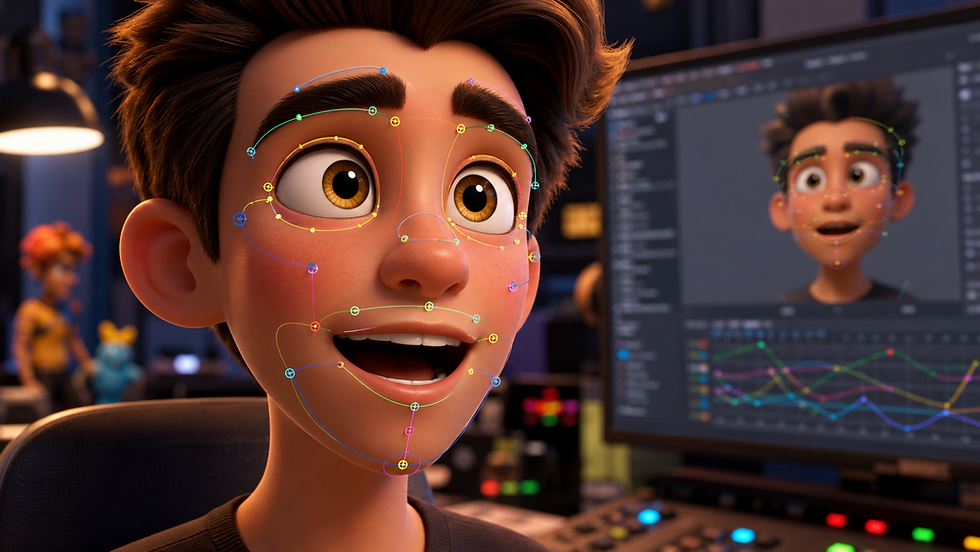
How long does 3D animation take—and what can you do to keep production on schedule?
The practical answer ranges from a few weeks for a focused animation using existing assets to several months for a fully custom cinematic production. The decisive variables are character creation, shot count, performance complexity, feedback and delivery requirements.
This guide gives brands, agencies, producers, creators and game teams realistic planning ranges. It also breaks down each production phase so you can ask better questions, compare proposals and build a schedule that protects quality.
Table of Contents
How Long Does 3D Animation Take? The Short Answer

A professional 3D animation can take anywhere from two weeks to several months. A short, tightly scoped sequence using an existing character and environment may be completed in roughly 2–4 weeks. A custom 30–60 second brand animation often needs 6–12 weeks. A cinematic piece with original characters, facial acting, several environments, effects and demanding rendering may require 3–6 months or longer.
The runtime alone does not determine the schedule. Ten seconds of a talking character in close-up can demand more facial rigging, lip sync and polish than a longer shot of a character walking through a simple scene. The best estimate begins with the assets, performances, shots, approvals and delivery formats—not only the final number of seconds.
For a useful comparison, separate one-time asset creation from shot production. If a finished model and rig already exist, the schedule can focus on storyboard, animation, lighting and delivery. If the project begins with an idea or sketch, the timeline must also include character design, modeling, texturing and rigging. Mimic Cartoon’s guide to 3D character design explains how those connected stages build a production-ready performer.
3D Animation Production Timeline by Phase

Most reliable schedules are built around milestones. Some departments can overlap, but each approval protects the work that follows. Starting detailed animation before the script and animatic are stable usually creates expensive rework later.
Brief and creative direction often take 2–5 working days. The team aligns on audience, message, style, runtime, platforms, deliverables and references. Script and storyboard may take 1–2 weeks, followed by an animatic that tests shot order, timing, camera moves, dialogue and music before full production begins.
Custom character design and modeling commonly require 2–6 weeks, depending on concept maturity, realism, hair, clothing, props and the number of review rounds. Texturing and look development define surfaces, colors and lighting response. If you are budgeting these stages separately, the 3D character modeling cost guide explains why a static mesh and an animation-ready asset are different deliverables.
Rigging and performance tests often need 1–3 weeks. Body controls, facial systems, deformation and lip-sync requirements must be tested before final shots. The guide to cartoon character rigging shows why a rig is the bridge between a model and an expressive performer.
Animation may take 1–6 weeks or more. Keyframe work, motion capture cleanup, facial animation and revisions depend on shot count and performance complexity. Lighting, rendering, compositing, sound and quality control can add another 1–3 weeks. Rendering can run alongside shot approvals, but late creative changes may force completed frames to be rendered again.
What Affects a 3D Animation Timeline Most?

Asset count is one of the biggest drivers. One established mascot in one location is much faster than a new cast with costumes, props, vehicles and several environments. Every original asset needs design decisions, production work and quality checks before it can perform reliably.
Performance complexity matters just as much. A wide shot with simple body movement is not equivalent to dialogue, emotional close-ups, hand interaction, dancing or comedy timing. Facial rigs, lip sync and nuanced acting add specialist work. Motion capture can accelerate performance recording, but capture preparation, retargeting, cleanup and stylization still require time.
Visual style changes the workload. Clean stylization may reduce some detail, while realistic skin, hair, fur, cloth, particles and cinematic lighting add technical stages. Choosing among different cartoon styles should happen early because style affects modeling, shaders, rigging, rendering and the entire approval language.
The number of shots, camera changes and aspect ratios also matters. A campaign may need a hero film plus horizontal, square and vertical cutdowns. Those versions can reuse assets, but framing, safe areas, titles and pacing still require individual checks. Real-time delivery for a game, app or interactive AI character also brings optimization, engine integration and device testing.
Finally, feedback controls the calendar. One decision-maker and consolidated notes keep work moving. Conflicting feedback, late script changes and new platform requirements cause revisions across several departments. A realistic schedule includes named approval dates and a defined number of review rounds.
Typical Timelines for Different 3D Animation Projects

A social-media loop using an existing rigged mascot may take 2–4 weeks. The work usually centers on a compact idea, a small number of shots, animation, lighting, rendering and platform versions. Reusing approved assets is what makes the shorter schedule possible.
A custom 30–60 second brand or explainer animation often takes 6–12 weeks. This range may include concept development, storyboard, an original character or adapted mascot, rigging, voice, animation, lighting, sound and two or three review milestones. The separate guide to 3D animation cost per minute explains how complexity and reuse affect both schedule and budget.
A music video sequence can take 8–16 weeks or more because it may combine performance capture, several scenes, choreography, stylized effects and many final shots. Locking the track and edit early is especially important: even a small timing change can affect animation and rendering across the sequence.
A game-ready or app character may need 8–20 weeks, depending on modeling, facial systems, animation clips, level-of-detail versions, optimization and engine integration. Unlike a rendered video, an interactive asset must work from many viewpoints and respond in real time. An AI cartoon character adds conversation behavior, voice, approved knowledge, safety rules and live-system testing.
An episodic kids’ project or cinematic short can run for several months. The first episode carries the cost and time of building the visual language, characters, rigs and reusable environments. Later episodes can become more efficient when the library, pipeline and approval process are stable. These ranges are planning guides, not promises; a studio should estimate the actual brief.
How to Speed Up 3D Animation Without Sacrificing Quality

Speed comes from reducing uncertainty. Start with one clear audience, one primary message and one action the viewer should take. Approve the script before detailed boards, approve the animatic before final animation, and approve the character look before building a complex rig. Sequential decisions prevent downstream rework.
Reuse is the second major lever. An existing character, rig, expression library, environment or motion library can save weeks. If the character will support several campaigns, invest in a durable master asset and organize source files for future episodes. The first production may be longer, but each reuse can improve consistency and turnaround.
Choose the right technique for each moment. Keyframe animation provides precise stylized control. Motion capture can capture complex body timing efficiently. Real-time previews can help teams judge cameras and performances sooner. A good pipeline combines methods instead of forcing every shot through the same tool.
Keep feedback operational: appoint one owner, collect notes in one place, distinguish must-fix issues from preferences and respond by the agreed date. When requesting a rush schedule, ask which variables can change—scope, number of shots, detail, revisions or delivery formats. Compressing time without changing scope usually increases risk rather than efficiency.
What to Include in a 3D Animation Brief

A useful brief lets a studio estimate both time and cost without guessing. State the business or story goal, target audience, final runtime, platforms, deadline and the single most important viewer response. Add visual references and explain what you like about each one—character proportions, color, lighting, humor, movement or camera style.
List what already exists: script, storyboard, model, rig, voice track, logo files, brand guide, music, environment, motion data or game-engine project. Mark whether each item is approved and production-ready. A reference model may not be clean enough to animate, and a concept image may not include the views needed for 3D modeling.
Describe the performance. How many characters speak? Are there close-ups, dancing, physical comedy, product interaction, crowd scenes or costume changes? Does the character need facial capture, multiple languages, Unity or Unreal delivery, web optimization, vertical versions or source files? These details influence the team and pipeline from day one.
Finish with the approval structure: who signs off, how feedback will be consolidated, how many rounds are expected and which dates cannot move. If the brief is still developing, Mimic Cartoon’s 3D cartoon animation services can help translate the creative goal into practical milestones before detailed production begins.
Frequently Asked Questions
How long does it take to make a one-minute 3D animation?
A custom one-minute 3D animation commonly takes 6–12 weeks, but a simple sequence with existing assets may be faster and a cinematic production may take several months. Asset creation, shot count, facial performance, effects, revisions and rendering determine the real schedule.
How long does it take to create a 3D character?
A custom production-ready character often takes 3–8 weeks from brief through design, modeling, texturing, rigging and tests. Simpler stylized assets may be quicker; realistic hair, clothing, facial systems, variants and real-time optimization add time.
Does motion capture make 3D animation faster?
It can accelerate the recording of complex body or facial performance, especially for dialogue, dance and natural gestures. The team still needs planning, capture, retargeting, cleanup, stylization and animation polish, so motion capture is an efficiency tool rather than an instant result.
Can a 3D animation be completed in two weeks?
Sometimes, if the scope is very small and approved models, rigs, environments, audio and creative direction already exist. A two-week schedule is rarely realistic for a fully custom brand-quality piece starting from an idea.
Why does rendering take so long?
Every frame may require lighting, shadows, materials, hair, effects and high-resolution calculations. Longer runtimes, more samples, complex scenes and 4K delivery multiply the render load. Preview rendering and cloud capacity can help, but final quality still needs review.
What usually delays an animation project?
The most common causes are an unlocked script, unclear style, late approvals, changing character designs, new shots, scattered feedback and delivery requirements discovered after production begins. Milestone approvals and one feedback owner reduce these risks.
Is 2D animation faster than 3D animation?
Not automatically. A simple 2D piece may be quicker, while detailed frame-by-frame work can be time-intensive. A 3D character takes longer to build initially but can be reused efficiently across shots and campaigns. The right choice depends on style, performance and future use.
How far in advance should I contact a 3D animation studio?
For a custom 30–60 second project, contacting a studio at least two to three months before the final deadline is sensible. Larger films, music videos, interactive characters and multi-format campaigns benefit from several months of lead time.
What does a studio need to estimate the timeline?
Provide the goal, audience, runtime, script status, visual references, character and environment count, performance needs, platforms, deliverables, deadline and existing assets. A one-page brief is enough to start a productive scoping conversation.
Can one 3D character be reused in future content?
Yes, when the model, rig, textures and usage rights are designed for reuse. Planning a durable master asset can shorten later campaign timelines and maintain a consistent character identity across videos, apps, games and interactive experiences.
Conclusion
So, how long does 3D animation take? Plan roughly 2–4 weeks for a compact project with established assets, 6–12 weeks for a custom brand-quality piece, and several months for cinematic or interactive work. The most accurate timeline comes from a clear brief, milestone approvals and an honest inventory of what must be created.
Talk to Mimic Cartoon about your 3D character or animation project. Share your goal, audience, references, runtime, target platforms and deadline, and the Berlin studio can shape a practical route from first idea to finished performance.


Comments