Mimic Cartoon homeMimic Cartoon
Let’s make something

GAME & INTERACTIVE CHARACTER PRODUCTION

Ready for
“what happens next?”

A character in an interactive world has to respond, repeat and stay recognizable. We plan its visual identity and performance around the experience it belongs to.

Discuss your projectExplore the scope ↓
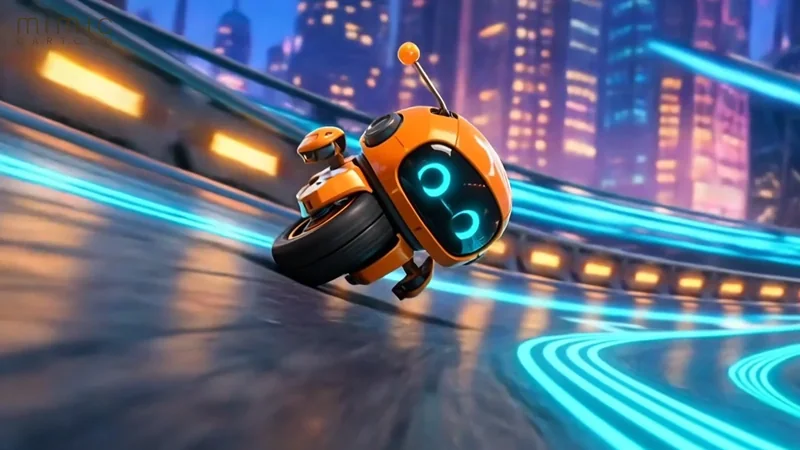
An orange animated robot speeding through a vivid futuristic city
FROM THE MIMIC CARTOON SHOWREEL Watch the film

THE SERVICE, AT A GLANCE

Game & Interactive Character Production

Mimic Cartoon develops stylized 3D characters for games, apps and interactive experiences. The scope can include character modeling, textures, rigging, animation clips and real-time preparation. Technical budgets, target devices, engine compatibility and integration responsibilities are defined in the brief. A finished film render alone is not an interactive character asset.

Meet the animation studio

SHAPED AROUND YOUR BRIEF

What we can
create together.

01 / THE CRAFT

Real-time character assets

Balance visual personality with the target device and camera distance. Geometry, texture sizes, materials and optional levels of detail need to be planned together, rather than reducing a film asset only after the design is approved.

02 / THE CRAFT

Rigs & animation sets

Define the actions the experience requires: idle, movement, interaction, reaction and expression. Skeleton compatibility, clip naming, looping and transitions matter because the character must respond coherently to changing states.

03 / THE CRAFT

Interactive handoff

Agree the receiving engine, version and integration boundary with your development team. An asset package, an engine-import test and a fully implemented interactive application are different scopes; we make those responsibilities explicit.

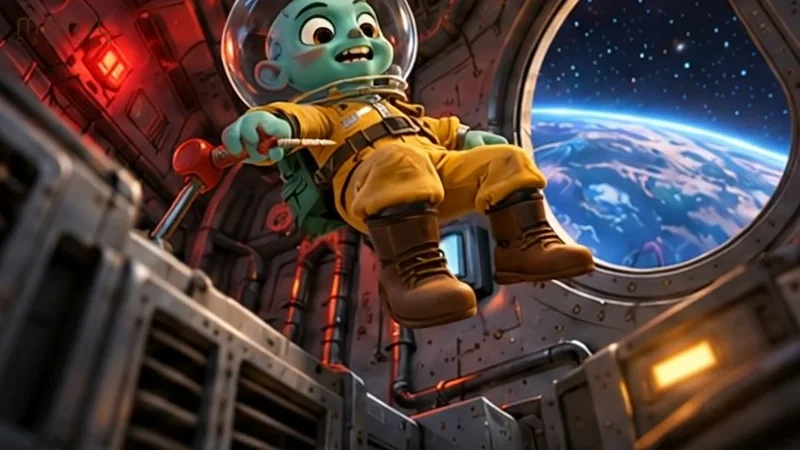
A stylized astronaut floating inside a spacecraft in a production view
A character belongs in a world.Shape, costume and setting work together to make the character readable.
A USEFUL DISTINCTION

A game character needs assets and animation that can run and react in real time. A conversational character also needs a dialogue system, response logic and application integration. Character production does not automatically include the complete game, app or AI backend.

CLEAR DECISIONS. BETTER PRODUCTION.

From the first conversation
to the final handoff.

  1. Define the destination

    Confirm the platform, devices, engine version, camera distances and interaction list. Agree performance budgets and the development team’s requirements.

  2. Build a representative asset

    Develop the visual direction and a character setup that can be tested early. Check whether the design remains readable at its real display size.

  3. Prepare motion & exports

    Build the agreed rig and clips, then check naming, scale, orientation and export behavior. Review looping and expression needs alongside the asset.

  4. Validate the handoff

    Test the agreed import and representative use case with the receiving team. Document files, dependencies and any integration work still required.

DEFINE THE DESTINATION

Know what
you’re receiving.

Choose the parts your production needs. The final deliverable list, technical specifications and source-file requirements are agreed in your brief.

Character package
Agreed model, textures and materials prepared to the technical specification of the target experience.
Motion library
The commissioned rig, animation clips and facial assets, with naming and export conventions agreed in advance.
Integration handoff
Files and supporting notes for the receiving team, plus engine validation or implementation only where explicitly included.
Cartoon rider on a futuristic watercraft crossing a bright icy landscape
Keep the action readable.Silhouette and staging matter when characters are seen in motion. Reel imagery illustrates visual direction; engine delivery is scoped separately.

EXPLORE THE WIDER STUDIO’S WORK

Characters that respond.

Explore the credited Coca-Cola: Talk to Santa project for an example of interactive character work from the wider studio. Each new experience needs its own technical and creative brief.

Explore the project and credits

BUDGET & SCHEDULE

Scope first.
A clear plan follows.

Scope depends on the character count, visual complexity, texture and geometry budgets, facial range, animation list and integration responsibilities. Supporting several devices or engines can require extra variants and testing. Define the expected interactions early so the team can distinguish reusable cycles from custom performances.

YOUR QUESTIONS, ANSWERED

Game & Interactive Character Production FAQs

A few useful answers before your character’s first scene.

Can you prepare characters for Unity or Unreal Engine?

We can assess delivery for your target engine and version. Share the import requirements, skeleton standard, material setup and performance limits. Compatibility and the required import test are agreed in the scope rather than assumed for every asset.

Can you convert a film character into a game character?

Often, but it needs a technical review. Geometry, textures, hair, materials and rig features may need adaptation. We assess the visual requirements and device budget before proposing a real-time version.

Which animation clips should we request?

Start from the interaction design: idle, movement, actions, reactions and transitions. Include whether clips loop, use root motion or need facial variants. Your development team should confirm the states the application will trigger.

Does character production include building the whole game?

Not by default. This service focuses on characters, animation and agreed real-time preparation. Full game development, application code and integration require a separately defined scope and clear responsibilities.

Can the character be connected to conversational AI?

That can be discussed as an integration requirement. The character needs suitable expressions and response animations, while speech, dialogue logic, latency, moderation and backend services are separate technical decisions with the development team.

How do you decide polygon count and texture size?

There is no universal budget. The target hardware, engine, camera distance, number of visible characters and other scene costs determine practical limits. We agree those constraints with the receiving team and test a representative setup.

Something else on your mind?Ask the studio

MIMIC CARTOON / IN MOTION

Character and studio footage from Mimic Cartoon.

CHARACTER EXPLORATION

Imagine your character