DIRECT ANSWER
What is 3D animation outsourcing?
3D animation outsourcing means commissioning an external team to deliver defined production work, such as character models, rigs, animated shots or a complete sequence. A workable arrangement specifies the inputs, creative direction, technical requirements, review stages and final files before production begins. Outsourcing can add specialist skills or capacity; it does not remove the need for an accountable producer and clear approvals.
Your animatic is approved, but the animation team is booked. Or you have strong character designs and need models and rigs that your own animators can use. These are different outsourcing briefs, even if both begin with “We need a 3D animation studio.”
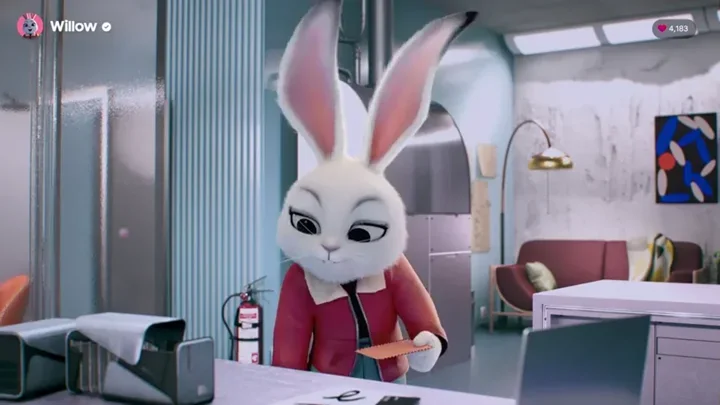
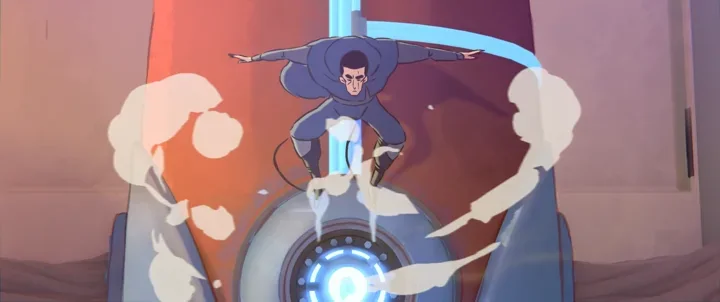
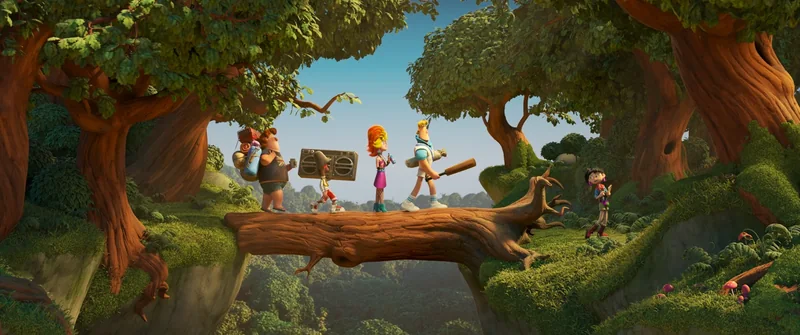
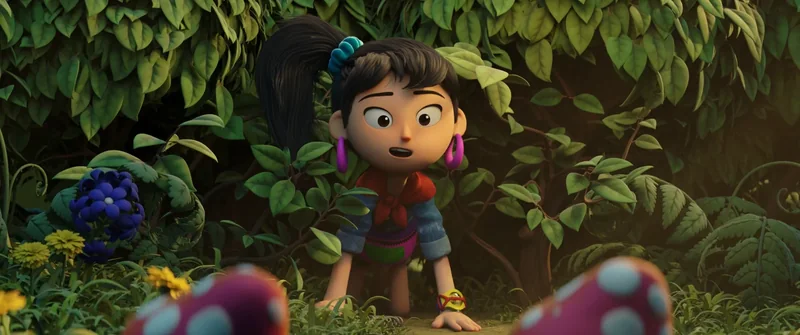
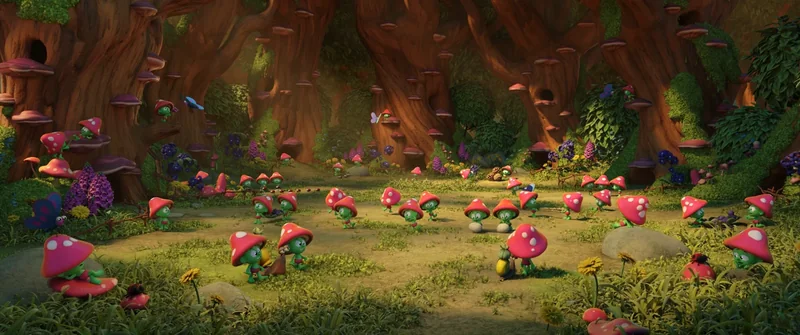
This guide helps producers, agencies and commissioning teams decide what to hand over, compare the real scope of quotes and keep creative control. The planning examples are illustrative, not reported client budgets or production results. The Blender Studio stills are licensed visual references, not Mimic Cartoon portfolio work.
What should you outsource: assets, shots or a whole sequence?
Choose a handoff that your team can define and accept. A single department may be the right choice when you have a functioning pipeline and someone to supervise integration. A complete sequence can be more practical when you need one partner to coordinate several interdependent stages. See our 3D animation pipeline guide for the full sequence of production tasks.
| Package | What you provide | What to agree as delivery | Main dependency |
|---|---|---|---|
| Characters and assets | Approved designs, scale, intended poses and target software. | Models, textures, materials and rigs as explicitly included, with a test scene and documentation. | The assets must work in the receiving animation or rendering pipeline. |
| Animated shots | Approved rigs, animatic, shot list, cameras and final audio where needed. | Approved performance, review movies and the agreed editable scenes or caches. | Rig behaviour, shot duration and feedback must be stable enough to animate. |
| Finished sequence | Brief, story or script, brand requirements and delivery specifications. | The agreed development, asset, animation and finishing stages, plus final masters. | One approval process must connect creative choices to schedule and scope. |
Practical distinction: “Deliver a rigged character” is incomplete. Does it include facial controls, clothing, hair, texture files and documentation? “Deliver ten animated shots” is also incomplete if lighting, rendering and compositing are still unassigned. Use our character design and modeling, character rigging and character animation pages to identify the disciplines your brief needs.
In-house, outsourced or a mixed team?
There is no universal cheapest arrangement. Consider how continuous the workload is, which skills you already have and how much supervision the handoff needs.
| Approach | Useful when | Responsibility to plan for |
|---|---|---|
| In-house production | You have sustained work, suitable artists and an established pipeline. | Recruitment, tools, infrastructure and capacity between projects. |
| External production package | You can specify a bounded deliverable or need specialist capacity for a production. | Vendor onboarding, approvals, integration and acceptance of the delivered work. |
| Mixed production | You want to retain direction or selected departments while a partner delivers others. | One person must resolve ownership at the boundaries between teams. |
For example, a studio might retain story, layout and final compositing, while commissioning character rigging and animation. An agency with no internal 3D pipeline may instead commission a finished commercial. Neither model is automatically better: the decision depends on who can supervise and accept each stage.
What determines 3D animation outsourcing costs?
A runtime alone is not a production specification. Two thirty-second films can involve very different workloads: one may reuse an approved character in a simple setting; another may need a new cast, complex interaction, simulation and several delivery versions. Ask for a quote against a shared shot list and asset list, rather than comparing headline per-minute prices.
- Asset creation: new characters and environments, design iterations, rig complexity, hair and clothing requirements.
- Shot work: number of shots, acting demands, interaction, lip sync, camera changes and technical effects.
- Finishing: look development, lighting, render requirements, compositing and quality checks.
- Versions: aspect ratios, language versions, cutdowns and any animation changes those versions require.
- Production terms: review rounds, approval timing, source-file delivery and treatment of scope changes.
Compare the total commissioned scope, including integration work your own team must do. A lower quote that excludes rigs, rendering or editable files may describe a different product. Our 3D animation cost guide explains the budgeting variables in more detail.
A quote comparison that exposes missing work
Illustrative brief: one existing mascot, six shots, thirty seconds and two aspect ratios. Quote A covers animation review movies only. Quote B includes animation, lighting, compositing and final video masters. Neither price is comparable until you assign the missing finishing work, confirm the supplied rig is usable and define whether the second aspect ratio needs new staging. Ask both teams to price the same deliverables and list exclusions.
Prepare a handoff brief the production team can use
Start with a short overview, then attach the production details. The following is an example structure, not a claim about a completed Mimic project:
- Outcome: animate an approved mascot for a thirty-second brand film; preserve the approved silhouette, proportions and brand palette.
- Inputs: final animatic, numbered shot list, approved rig version, voice recording and visual references. Identify anything still provisional.
- Scope: specify whether layout, body animation, facial animation, lighting and compositing are included, excluded or supplied by another team.
- Technical contract: agree software and plug-in versions, frame rate, units, colour pipeline, file naming and delivery formats.
- Reviews: name one person who consolidates notes, the decision maker for approvals and the agreed review windows.
- Delivery: list review movies, masters, scene files, textures, caches and documentation separately. State which are included.
Do not assume that an exported file preserves every rig control, material or simulation. Test a representative asset in the actual receiving software before scaling the handoff. If you are still developing the brief, use our animation brief guide to organise the starting information.
Keep quality control at clear approval stages
Review the decision that is ready to be made at each stage. A low-resolution animation preview can establish acting and timing; it cannot establish final lighting quality. Conversely, polishing a rendered shot will not solve an unapproved performance.
- Representative test: choose a short paid test or agreed first milestone that exercises the difficult requirement, such as a product grip, facial close-up or extreme pose. Agree its scope and whether the work can continue into production.
- Asset acceptance: check proportions, deformation, texture dependencies and the expected range of motion in the receiving pipeline.
- Blocking approval: confirm staging, poses, timing and camera intent before detailed animation.
- Animation approval: review performance, lip sync where relevant, contacts and continuity against the approved brief.
- Final delivery check: inspect renders and masters for visual defects, correct dimensions, frame rate, colour handling and completeness of files.
Make feedback actionable. “It feels wrong” leaves the team guessing. “In shot 020, keep the hand on the product until the spoken line ends; the release currently happens early” identifies the shot, the requirement and the change. Consolidate conflicting stakeholder notes before sending them back.
Separate corrections from new creative direction
Agree how the team handles a missed specification, an included revision and a change to an approved decision. A new character design after rig approval can affect modeling, rigging and animation. A new voice recording can change lip sync and timing. Record the effect on scope and schedule before the additional work starts.
Published project example: a defined contribution
Mimic Productions’ Etisalat project page credits its contribution as character rigging and animation through UPP.cz, with Big Kahuna Films as production company and IMPACT BBDO as agency. It is an example of specific disciplines contributing to a wider advertising production, rather than a claim that Mimic delivered every stage.
The useful lesson for a commissioning brief is to make that division equally clear: which team supplies the character, who animates it, who integrates the shots and who approves the final delivery? The published page does not disclose its budget, schedule or contractual arrangements; we do not infer those details.
Confirm delivery and future reuse before the final handoff
Rendered video and an editable production package are different deliverables. If you expect future episodes, new camera angles or localised versions, discuss access to the files needed to make them. An asset that opens only with an unavailable plug-in may be difficult for the next team to maintain.
Have the agreement identify the files supplied, permitted uses, any third-party dependencies, confidentiality requirements and retention arrangements. Ask the provider to disclose subcontracting or generative tools where relevant to your production requirements. These are commissioning questions to resolve with the appropriate production and legal advisers, not guarantees created by receiving a file.
Frequently asked questions
Can I outsource only character animation?
Yes. A shot-animation brief can use supplied models and rigs, provided the receiving team confirms they work in its pipeline. State who owns layout, audio, lighting, rendering and compositing so those stages are not accidentally omitted.
Is outsourcing 3D animation cheaper than an in-house team?
Not always. Compare the same deliverables and include supervision, integration, revisions and infrastructure. Outsourcing may suit a bounded project or a specialist gap; a continuing workload may justify internal capacity.
What should I send to get a useful quote?
Send the intended output, script or animatic, runtime, asset and shot lists, visual references, available files, delivery requirements and target date. Mark unapproved items clearly and ask for assumptions, exclusions and review rounds in the quote.
Will I receive the editable 3D source files?
Only if they are included in the agreed delivery. Specify scenes, models, rigs, textures, caches and documentation separately, including software versions and third-party dependencies. A finished video does not imply that all production files are supplied.
How do I maintain a consistent style across external teams?
Share approved character and environment references, a representative look or shot, technical specifications and a single approval process. Check a test asset or shot before expanding the work, and keep versioned feedback tied to specific shots and assets.
Conclusion: outsource a defined result
The strongest starting point is a production package that another team can understand, price and deliver. Choose the handoff, test its technical assumptions, assign approvals and define the files you need at the end. Those decisions give creative work a clear route into the finished film.
Planning an outsourced character, sequence or production contribution? Explore cartoon film production or series and pilot production, then discuss your production with Mimic Cartoon. Include the stage you need, your existing assets, approximate shot count or runtime and target delivery date so the team can assess the scope.
Image credits and editorial notes
Film stills: Sprite Fright / Blender Studio, licensed under CC BY 4.0. Images have been resized and converted to WebP; the social preview adapts the cover into a branded layout. These third-party images illustrate animation craft and are not Mimic Cartoon projects. The planning scenarios are illustrative. Project attribution is based on the linked Mimic Productions page; no named specialist review is claimed.