DIRECT ANSWER
What is an animated commercial?
An animated commercial is an advertisement that uses animated images, characters or graphics to communicate a product, service or brand message. It can use 2D, 3D, stop motion or a mixture of techniques. Unlike a general entertainment film, it is planned around an audience and a desired response, such as visiting a product page or making an enquiry. The best production approach depends on that message, the distribution channels and the available scope.
A memorable character is a useful starting point, but it is not the whole advertisement. The audience still needs to understand what is being offered, why it matters and what to do next. Choosing a style before answering those questions can produce an attractive film with an unclear purpose.
This guide looks at three documented campaign examples and translates them into decisions for a new brief. The examples are not a performance ranking: we do not have comparable campaign budgets or conversion data. Mimic’s credited involvement is identified separately from work made by other studios.
Three animated-commercial examples to learn from
Samsung Willow: connect character craft with a real product world
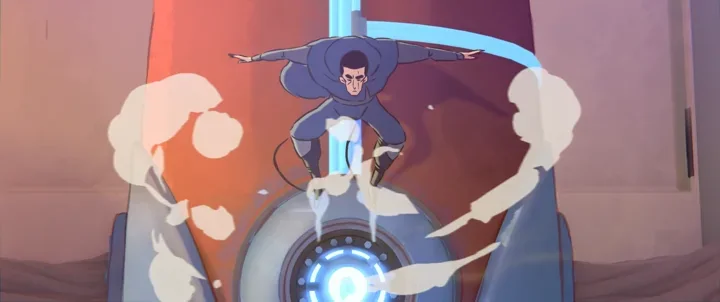
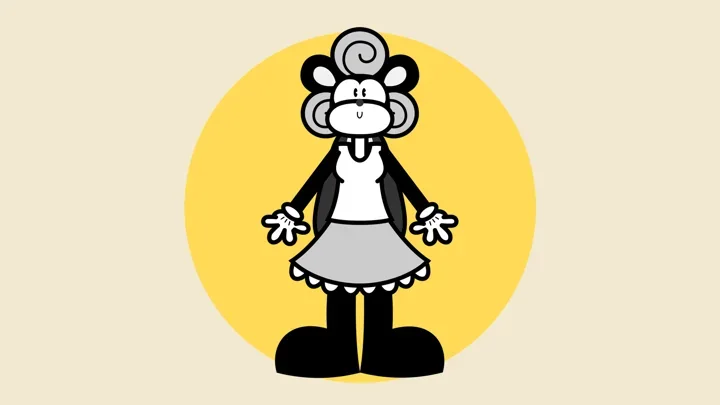
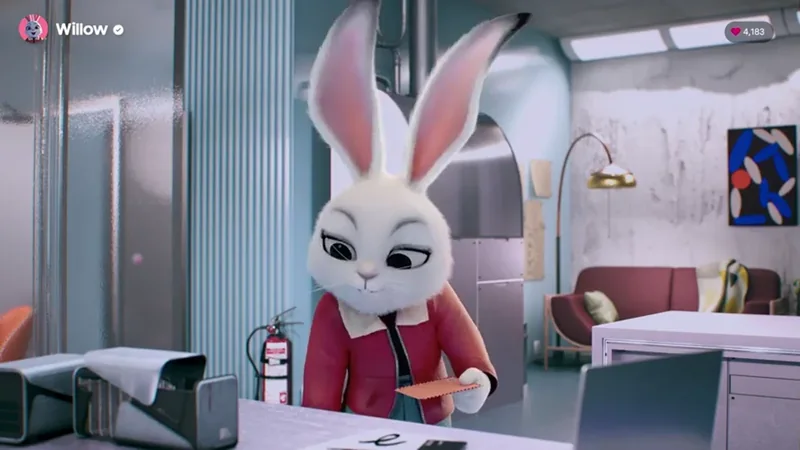
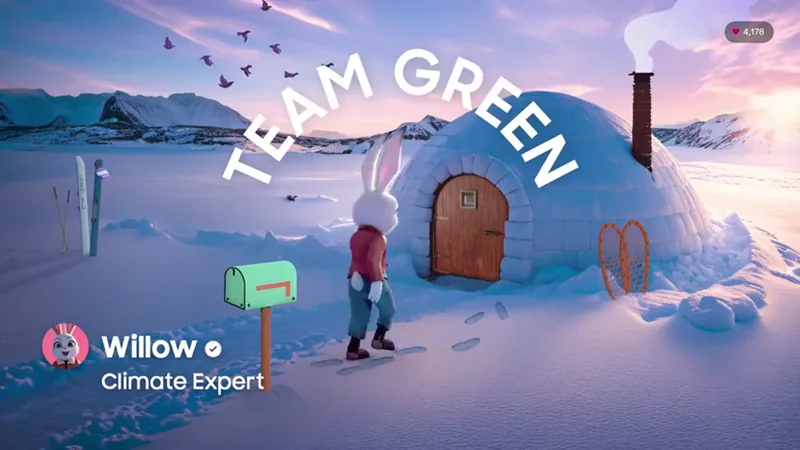
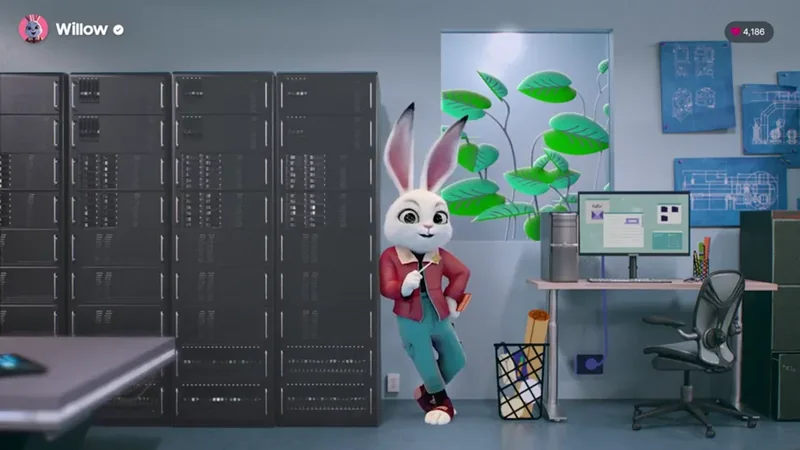
Mimic Productions’ published project record credits work with Kingdom of Something on the Samsung Willow campaign. The listed contribution includes character creation, 3D modeling, grooming, keyframe animation, look development and rendering. It describes blending rabbit traits with human-like expressions and gestures.
Planning lesson: commission the character’s performance as well as its appearance. A pleasing still render does not establish how the character handles a product, looks toward the viewer or communicates an idea. Put those actions into the brief and test them before committing to finished shots.
DFS: let the material treatment support the message
Aardman’s account of DFS’s 2017 Christmas delivery commercial describes handcrafted stop-motion puppets based on real DFS employees. The example connects the people making a product with the handmade character of the animation.
Planning lesson: choose a visual treatment for a reason. Tactile materials may support a story about craft; a precise 3D product view may better serve a feature demonstration. Ask what the audience should understand from the style before selecting it because it looks fashionable. This is an editorial interpretation of the campaign, not a claim about its sales results. Aardman created this example; Mimic is not credited on it.
John Lewis: build a story around the occasion
John Lewis’s 2014 annual report describes The Bear and the Hare as an animated Christmas story about a hare giving a bear a Christmas he would not forget. The campaign also extended into products and in-store experiences.
Planning lesson: a story can organise more than one deliverable. If the character will also appear on a landing page, in a short cutdown or in campaign artwork, agree those uses before production. That does not mean every brand needs a long seasonal film or merchandise. The lesson is to plan the connected assets your campaign actually needs. This is an external reference, not Mimic work.
Choose a style around the communication problem
2D animation
Drawn characters and graphic shapes can provide a distinctive visual voice, particularly when illustration is already part of the brand. Decide whether the movement needs frame-by-frame drawing, reusable cut-out controls or a combination. “2D” alone does not tell you the amount of animation work, the revision process or the final price.
3D character animation
3D can suit dimensional characters, tactile surfaces and product interaction. The model, materials and rig create assets that may be used across agreed shots, but additional poses, costumes or camera angles still require work. Reuse is an opportunity to plan, not a promise that every future campaign will be inexpensive.
Stop motion and hybrid approaches
Stop motion offers a physical material character, while hybrid work combines elements such as live action, 3D characters and drawn effects. Each choice introduces its own preparation and revision needs. For example, changing a physical set after photography is different from adjusting a digital prop; compositing a character into live action needs suitable plates and lighting reference.
Use our 2D versus 3D guide and hybrid animation guide to explore those trade-offs. For the brief, supply a small number of references and explain what you like about each: the acting, materials, colour, pacing or camera work.
Plan one message before adding more scenes
Write down the audience, the problem or desire you are addressing, and the single most important takeaway. Then define the next action. “Make our brand look premium” is a creative ambition; “help a first-time buyer understand this feature and visit the product page” gives the team a more concrete communication task.
A useful hypothetical brief might be: a character struggles with an ordinary task, discovers the product’s relevant feature and demonstrates the change. This is an illustrative story structure, not a formula for guaranteed conversion. Some campaigns need atmosphere or humour rather than a problem-and-solution narrative.
Review the script with a reader who has not seen the brief. Can they identify the offer and intended action? If not, simplify the message before paying to animate more scenes. Also separate the cost of making the ad from the media spend needed to distribute it.
Define deliverables before animation begins
The full film, a vertical cutdown and a short bumper are not automatically interchangeable. A wide composition may lose a character or product when cropped. Text that is readable on a desktop can become too small on a phone. Decide which formats are required while the storyboard and layout remain easy to change.
- Placement: specify the actual channels and check their current delivery requirements.
- Versions: identify the main edit, shorter edits, alternate calls to action and any language versions.
- Framing: plan landscape, square or vertical compositions around the important action.
- Sound and text: decide what must remain understandable without audio and which versions need captions or voiceover.
- End card: agree the logo, offer, destination and any required product or legal copy.
- Handover: distinguish finished video files from editable project files, rigs and reusable character assets.
Use an animatic to review timing and composition before final animation. Approving a storyboard image does not necessarily mean the spoken script, rhythm or scene lengths have been tested.
What changes the cost and schedule?
Runtime matters, but it is only one input. A short advertisement with multiple new characters, detailed grooming, simulations and several environments may demand more work than a longer, simpler scene. Compare proposals on what they include, rather than treating a per-second figure as a complete specification.
Important scope questions include whether the character already exists, whether its rig supports the planned actions, how many shots and environments are needed, and how many review rounds and deliverable versions are included. Voice talent, music rights, translation and paid-media usage may also need separate agreements.
For budgeting context, read our 3D animation cost guide. For scheduling decisions, see how long 3D animation takes. A project-specific estimate should state assumptions, exclusions, approval milestones and what happens if the brief changes.
A commissioning checklist you can use
Before requesting a proposal, gather the following. An incomplete brief is still worth discussing; mark unknowns rather than inventing answers.
- Objective and audience: who should watch, and what should they understand or do?
- Product and message: what must be shown accurately, and which claims require approval?
- Creative references: which elements of each reference should inform your film?
- Existing assets: provide brand guidelines, product references and any character files, with their permitted uses.
- Deliverables: list runtimes, aspect ratios, languages, captions and file specifications.
- Timing: give the launch date and identify who can approve each stage.
- Budget range: share a workable range so the studio can propose an appropriate scope.
- Rights and ownership: clarify usage territories, duration, third-party licences and the assets included in handover.
Our animation brief guide expands this into production questions. The goal is a shared definition of the job, not a long document that leaves the decisive choices unresolved.
Measure the campaign against its intended job
For a lead-generation campaign, track qualified enquiries and the quality of those conversations. Views can show distribution, but they do not establish that the right people watched or that the advertisement caused a sale. Use appropriate campaign links and consent-aware measurement, and distinguish landing-page visits from completed enquiries.
For an awareness or product-education campaign, the useful measures may differ. Agree them before launch. Avoid promising a universal return on investment from animation: audience selection, offer, media placement, landing-page experience and sales follow-up all affect the outcome.
If you are developing a recurring social-media personality rather than a standalone advertisement, our animated brand-character guide addresses consistency across a campaign.
Frequently asked questions
How long should an animated commercial be?
Use the length needed for the message and placement. Agree the main edit and any shorter versions with your media plan. Check the current specifications of the channels where each version will run.
Is 2D or 3D better for an advertisement?
Neither is universally better. Choose according to the brand style, required product views, character performance, assets, budget and revision needs. A short visual test can help resolve an uncertain direction.
Can one animated commercial work across different platforms?
Yes, if the required versions are planned. A simple crop may cut out important action, so agree aspect ratios, text placement, edit lengths and calls to action during pre-production.
What should I send when requesting an animation quote?
Send the objective, audience, product information, references, required versions, launch date and budget range. Include existing assets and explain who will approve the work.
Can I reuse the character in a future campaign?
Potentially, depending on the ownership and licence agreement and the technical suitability of the assets. Confirm which models, rigs and files are included and what future production work would still be required.
Does animation guarantee more sales or enquiries?
No. Results depend on the message, audience, offer, distribution and conversion journey as well as the creative work. Set measurable objectives and evaluate genuine outcomes after launch.
Conclusion: turn inspiration into a clear brief
Useful animated-commercial references show how character, material, story and product fit together. Take that reasoning into your own campaign rather than copying the surface appearance of an existing ad. A focused message and agreed deliverables give the production team a stronger starting point.
Ready to plan your animated commercial? Explore Mimic Cartoon’s animated-commercial services and send your brief. Share your product, audience, launch date and budget range so we can discuss a suitable production scope.
Image credits and sources
Selected Samsung Willow campaign stills from the studio’s existing published project media. Campaign: Samsung; credited client/collaborator: Kingdom of Something. See Mimic Productions’ contribution and project record. Stills were extracted, resized and converted to WebP. Campaign artwork and trademarks belong to their respective owners; the images are not offered as stock downloads. External DFS and John Lewis campaigns are linked, not reproduced.