
Animated Brand Characters for Social Media Campaigns
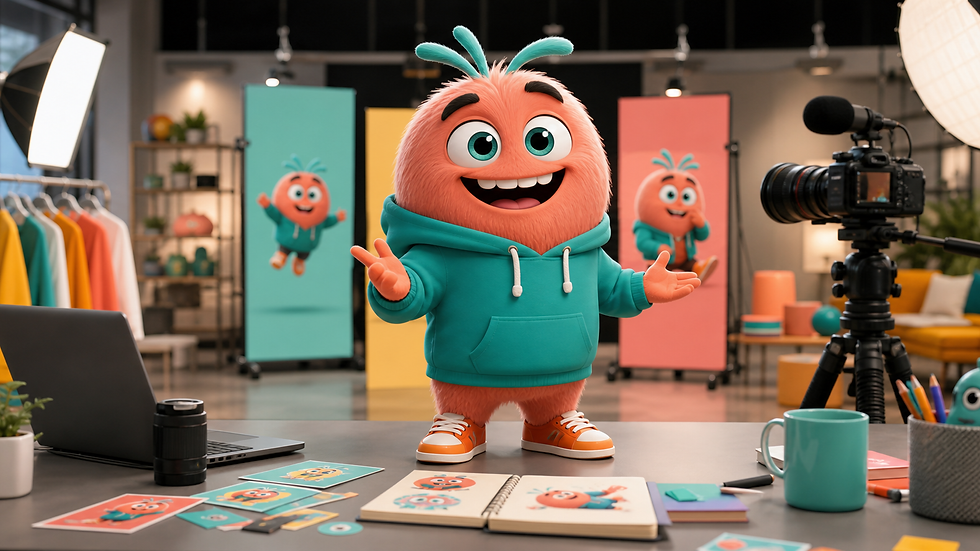
Can one animated brand character make a social media campaign easier to recognize, remember, and reuse?
For many brands, yes. Social platforms reward fast recognition. A distinctive character can become the face of short videos, paid ads, launch teasers, tutorials, filters, stickers, livestream moments, and campaign follow-ups without forcing every post to start from scratch.
Mimic Cartoon creates expressive 3D cartoon characters, animated mascots, AI characters, motion-capture performances, and platform-ready visual assets for brands that want more than one good render. This guide explains how animated brand characters work in social media campaigns, what to plan before production, and how to build a character system that can keep earning attention after the first post goes live.
Table of Contents
What Are Animated Brand Characters?

Animated brand characters are custom characters built to represent a brand through movement, expression, story, and repeatable content. They might be mascots, guides, product companions, digital hosts, virtual performers, or social-first characters created for short-form video and interactive campaigns.
The strongest characters are not just decorative. They have a job. A character might explain a product feature, introduce a campaign theme, react to audience comments, perform in a launch video, or appear as a recurring presence across posts. That recurring presence helps the audience connect separate pieces of content into one recognizable brand world.
This is where Mimic Cartoon’s 3D cartoon animation services matter. A campaign character needs design craft, performance thinking, technical planning, and reusable asset preparation. It should look good in a polished hero film, but it should also work in thumbnails, vertical cuts, loops, product explainers, social stickers, and future campaign extensions.
A mascot gives the brand a recognizable face.
An animated performer gives the campaign rhythm, emotion, and repeatable behavior.
A character system gives the marketing team reusable poses, expressions, and stories.
Why Characters Perform Well in Social Campaigns

Social content moves quickly. Viewers decide in seconds whether something feels worth watching. Animated brand characters help because they give the campaign an instant visual signal. The audience can recognize the character before they read a caption, hear the full message, or understand the product detail.
Characters also make brand communication feel less like an announcement and more like a moment. A character can be curious, surprised, confident, playful, dramatic, calm, awkward, heroic, or mischievous. That emotional range is useful when a campaign has to explain something technical, launch something new, or make repeated product messages feel fresh.
Mimic Cartoon has already explored how an animated brand mascot can shape brand personality. For social campaigns, the same idea becomes even more valuable because every post competes for attention in a crowded feed. A well-designed character can turn that competition into familiarity.
Recognition: repeated character appearances help posts feel connected.
Emotion: facial expression and motion can make a message easier to feel.
Flexibility: one character can support teaser clips, explainers, reactions, ads, and event content.
How to Design a Character System for Repeatable Content

A social campaign character should be designed as a system, not a single pose. That means the team defines how the character looks, moves, reacts, speaks, and changes across formats. The more clearly that system is built, the easier it becomes to produce new content without losing consistency.
Start with the brand role. Is the character a friendly guide, a performer, a product expert, a chaotic entertainer, a virtual influencer, a companion, or a world-building figure? Then define the emotional range. A useful character needs more than a smile. It needs a library of expressions, gestures, postures, reactions, and transitions that match the tone of the campaign.
Facial performance is especially important in short-form content. Tiny differences in brows, eyes, mouth shapes, and timing can change whether a post feels flat or alive. Mimic Cartoon’s guide to facial animation for 3D cartoon characters explains why expression is not a finishing touch. It is a core part of character design.
Build a character bible with personality, voice, proportions, colors, and behavior rules.
Plan reusable actions such as greeting, pointing, celebrating, thinking, reacting, and waiting.
Prepare social formats early so the character reads clearly in vertical, square, and cropped frames.
Production Workflow From Concept to Campaign Assets

The production workflow usually starts with strategy: what the campaign needs the character to do, where the character will appear, and how much reuse the brand wants after launch. From there, artists can move into concept design, model development, texture work, rigging, facial controls, animation tests, lighting, rendering, and export planning.
Rigging is the point where the character becomes performable. A clean rig lets animators create gestures, facial expressions, walk cycles, dance loops, product reactions, and campaign-specific acting beats without rebuilding the character each time. For deeper context, Mimic Cartoon’s article on cartoon character rigging shows why a strong rig turns a model into a performer.
The workflow can also include motion capture, 3D scanning, AI character development, VR, or VFX depending on the campaign. Mimic Cartoon’s technology services connect character craft with advanced production tools so a campaign can move from a studio-quality asset to usable content across channels.
Concept: define character personality, audience, and campaign role.
Production: model, texture, rig, animate, light, render, and test the character.
Delivery: export hero videos, cutdowns, loops, stills, transparent assets, and future-ready source files.
Where Animated Characters Fit Across Social Channels

Animated brand characters can serve different roles on different channels. On TikTok, Instagram Reels, and YouTube Shorts, the character can carry fast hooks, visual reactions, and story moments. On LinkedIn, the same character can make product education, hiring stories, and behind-the-scenes posts more distinctive. In paid social, the character can improve consistency across multiple ad variations.
The key is to design assets for the channel rather than squeezing one long video into every format. A campaign might need a hero animation, six vertical cutdowns, looping reactions, transparent character renders, thumbnail poses, product demo moments, and a few evergreen templates the brand can use later.
This is similar to the logic behind cartoon explainer videos, where a character helps a message become easier to follow. In social media, the same clarity needs to happen even faster, often before sound is on or before the caption is read.
Launch teasers: short character moments that create curiosity before a reveal.
Product explainers: character-led demos that make features feel simpler.
Community content: reactions, replies, celebration posts, and seasonal campaign moments.
How Mimic Cartoon Helps Brands Build Campaign-Ready Characters

Mimic Cartoon sits inside a wider creative and technical ecosystem, bringing together cartoon design, 3D animation, digital human knowledge, motion capture, scanning, AI workflows, VR, VFX, and platform integration. That makes the studio useful for campaigns that need a character to do more than appear once in a polished video.
A brand might start with a mascot for a product launch, then extend that character into app onboarding, a game-like activation, music video content, or interactive AI storytelling. Mimic Cartoon’s work on interactive 3D cartoon characters shows how one character can move across apps, games, websites, and brand platforms when it is planned properly.
The studio can also support more entertainment-led campaigns, including the kind of character-first storytelling covered in its music video animation article. That matters because social media campaigns often blur the line between advertising, entertainment, product education, and world-building.
Character design for campaigns, apps, games, explainers, and immersive experiences.
Animation, facial performance, rigging, motion capture, and 3D scanning workflows.
Reusable assets for launch campaigns, social cutdowns, brand platforms, and future content libraries.
FAQ
What is an animated brand character?
An animated brand character is a custom character that represents a brand through design, motion, expression, and story. It can appear in social videos, ads, product explainers, apps, games, and interactive brand experiences.
Why use animated characters in social media campaigns?
Animated characters help campaigns become recognizable, emotional, flexible, and reusable. They can create a consistent face for a campaign while adapting to different posts, platforms, and messages.
Can a 3D cartoon mascot be used beyond social media?
Yes. A well-built 3D cartoon mascot can support websites, apps, games, explainers, music videos, virtual events, AI avatars, product demos, retail screens, and XR activations if it is planned as a reusable asset system.
How long does it take to create a campaign character?
Timing depends on design complexity, rigging needs, number of animations, platform requirements, and whether motion capture, scanning, or AI workflows are involved. A reusable character system usually needs more planning than a single rendered asset.
Do animated brand characters need motion capture?
Not always. Motion capture is useful when the campaign needs natural body language, dance, performance-led acting, or repeated realistic movement. Simpler mascot loops can often be animated by hand.
What assets should a social campaign character package include?
A strong package can include a hero animation, vertical cutdowns, loopable reactions, still poses, transparent renders, thumbnail expressions, source files, and guidelines for future campaign content.
Can animated characters work for technical or B2B brands?
Yes. Characters can make technical messages easier to understand by giving viewers a guide, narrator, or visual metaphor. The style should match the brand’s tone, from playful and bold to polished and restrained.
Can Mimic Cartoon create custom animated brand characters?
Yes. Mimic Cartoon creates custom 3D cartoon characters, animated mascots, AI characters, rigged performers, and campaign-ready assets for brands, apps, games, platforms, music videos, and immersive digital experiences.
Conclusion
Animated brand characters give social media campaigns a stronger memory structure. They help posts feel connected, make product messages more expressive, and give marketing teams a reusable creative asset that can grow across launch videos, explainers, ads, apps, games, and immersive experiences.
Ready to build a campaign character that can perform across channels? Explore Mimic Cartoon’s services or contact the Berlin studio to create an animated brand character for your next social media campaign.



Comments