
Music Video Animation: How 3D Cartoon Characters Are Transforming the Music Industry
Updated: May 28
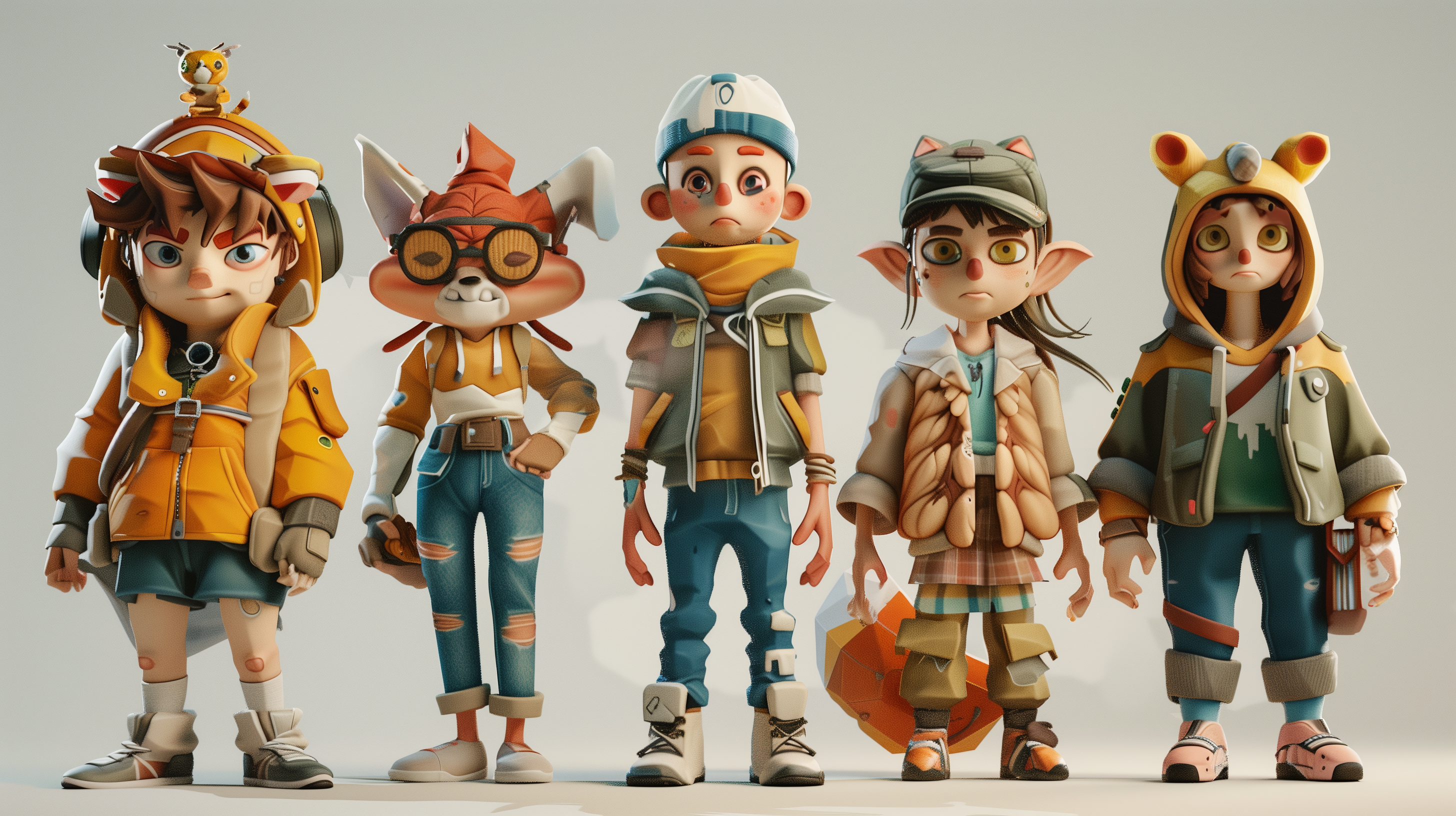
What if your music video character could perform anywhere, any time, without schedules, locations, or physical limitations?
Music video animation has moved from novelty to creative standard. Artists who built animated personas proved that cartoon characters can carry an album identity as powerfully as any real-world performer.
3D animation, motion capture, and AI have made that level of production accessible far beyond major label budgets. A 3D animated character is not a workaround - it is a creative choice that opens up storytelling that live-action cannot reach.
At Mimic Cartoon, music video animation is one of our most requested services. This guide covers every stage, from visual style selection through to final delivery.
Visual style selection: Disney, Realistic, or Creature and what each delivers
Production pipeline: pre-production, rigging, animation, VFX, and post
Motion capture: how it makes characters perform like real artists
AI integration: characters that interact beyond the music video
Budget strategy: why the economics improve with every subsequent video
Table of Contents
Why Music Artists Are Choosing 3D Animation
A live-action video is at the mercy of cast schedules, location permits, and weather. A 3D animated character has none of those constraints - once built, it performs in any environment at the same cost per scene.
The creative case is equally strong. A 3D character becomes a reusable studio asset, not a one-off production. Our guide on what a 3D animated character is explains how these assets are built to last.
Scheduling independence: the character performs any time, without a crew on set
Reusable across every release: one build powers music videos, social content, merch, and live screens
Cost per use drops: each subsequent video costs a fraction of the first production
Platform-native identity: the same stylised character is instantly recognisable on TikTok, YouTube, and Spotify Canvas

How 3D Cartoon Characters Elevate Music Videos
Understanding the difference between 2D and 3D animation clarifies why 3D unlocks possibilities that flat production cannot reach.
In live-action, the director commits to angles and lighting on the day. In 3D animation, camera angles, lighting, and expressions can be adjusted after capture - far more creative flexibility at no extra cost.
Freedom from physical reality: characters morph, defy physics, and inhabit environments no location budget could match
Performance consistency: no off days, no re-shoots; identical emotional quality every time
Scalability: one character asset spans the full album campaign - video, lyric video, social, live screens, and merch
Director control in post: adjust angles, lighting, and expressions after capture without going back to set
Explore the full range on our character design and animation services page.
The Production Process for Music Video Animation
Music video animation follows a similar pipeline to full productions. Our guide on how animated movies are made from storyboards to final render gives useful context on the full chain.
Pre-Production
Pre-production locks in creative direction before a single polygon is modelled. The character design stage is the most critical decision - everything downstream depends on it. Our guide on storyboards and animatics explains how to fix pacing and timing before expensive work begins.
Character concept and design: the single most critical decision; changes after this stage are expensive
Visual style selection: Disney, Realistic, or Creature
Storyboard and animatic: locks shot list, timing, and performance beats
Character Creation and Rigging
Rigging builds the internal skeleton that animators use to move the character. Rig quality directly determines expression range and performance depth. Our article on character development in animation covers how early design decisions shape everything downstream.
3D modelling and texturing: building the visual geometry and surface detail
Facial blend shapes: more blend shapes means more expressive performance; 40+ is standard for music video work
Body rig: skeleton structure controlling posing and animation
Platform optimisation: polygon count and format matched to the delivery target
Animation, VFX, and Post-Production
Animation is either keyframed or motion-captured. VFX, lighting, environments, and compositing follow in post. The difference between VFX and animation matters here - blending a 3D character with live footage is a VFX budget item, not an animation budget item.
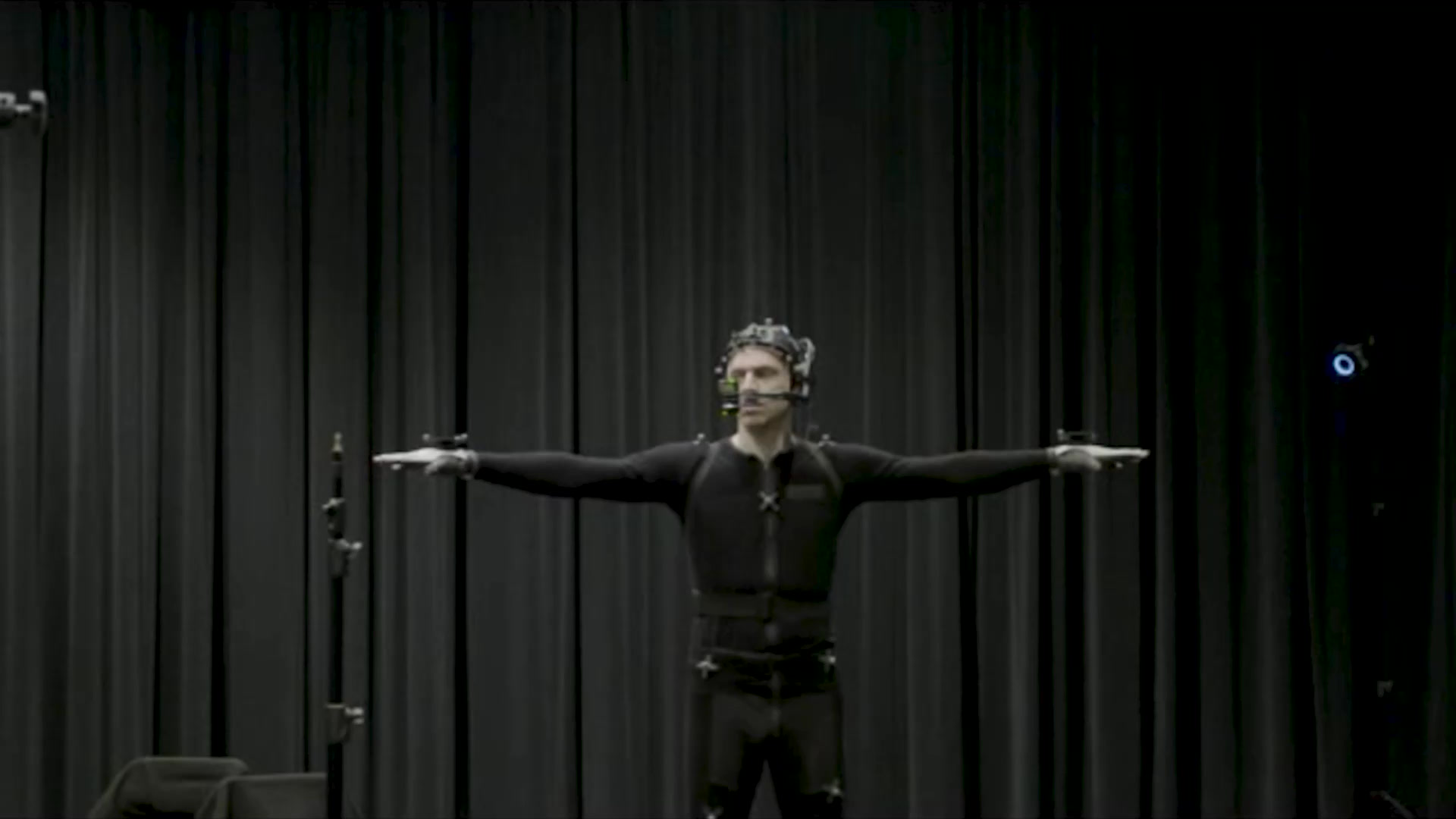
Types of 3D Animation Styles for Music Videos
The visual style shapes the entire tone of the video. Our post on types of cartoon styles is a useful read before committing to a direction.
Disney / Stylised: exaggerated proportions, expressive rigs, bright palettes; best for pop, hip-hop, and kids music; fastest to produce; highly legible on small screens
Realistic: photorealistic skin, hair simulation, subsurface scattering; best for R&B and prestige pop; high complexity, longer timelines, strongest dramatic presence
Creature: custom physics for fur, scales, and secondary motion; best for experimental and concept-driven videos; highest visual impact in immersive contexts
Our breakdown of CGI vs animation covers the render quality trade-offs between the two approaches.
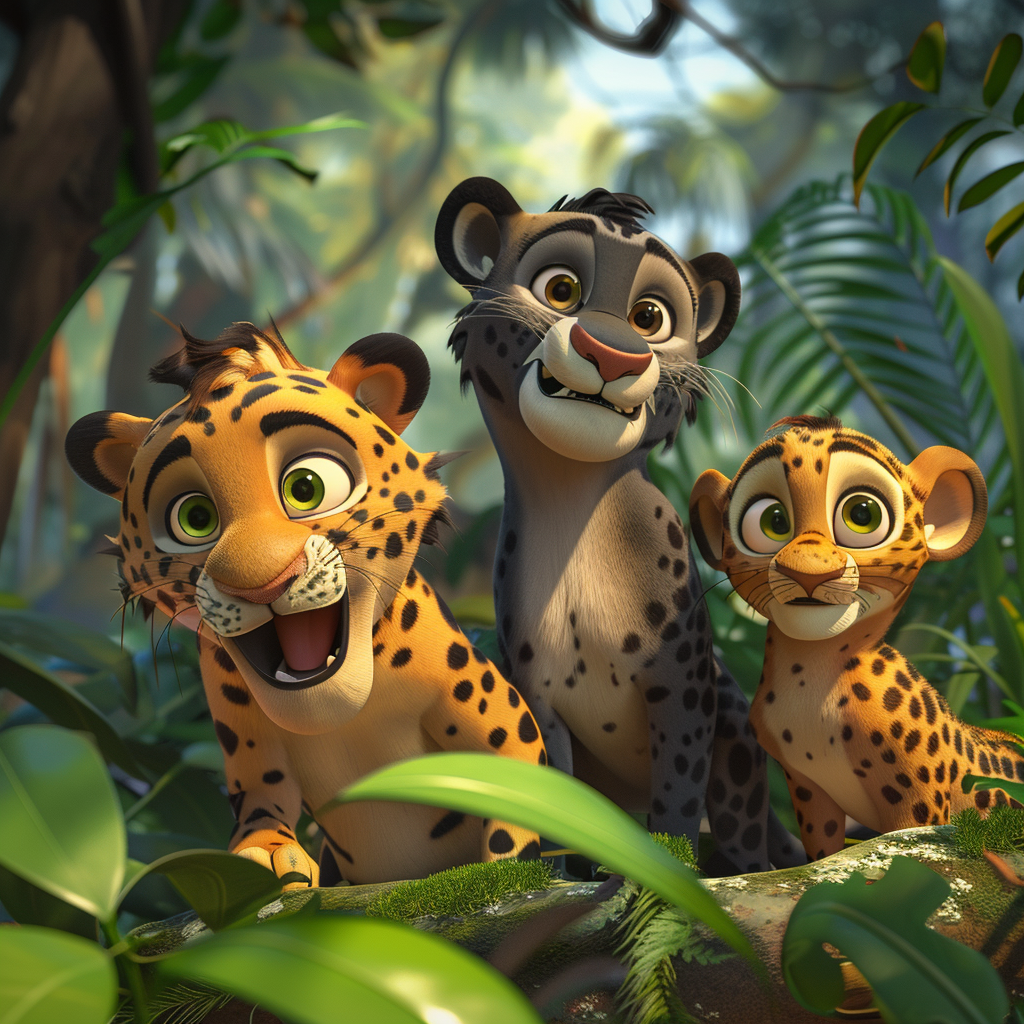
Motion Capture: The Technology Behind Expressive Performance
Motion capture transfers a real performer's weight, rhythm, and micro-movements directly onto the character rig. The result reads as lifelike even when the character looks nothing like a human being.
For music videos, motion capture is most valuable in scenes requiring dancing, continuous performance, or emotional reaction to a live track. Read our full guide on what motion capture means in animation for the full breakdown.
Natural rhythm: the performer's physical relationship to the music transfers to the character automatically
Off-beat spontaneity: micro-pauses, weight shifts, and physical reactions that keyframing takes much longer to achieve
Multiple performance passes: broad passes first, then detailed expressions; best takes assembled like a film director's coverage
Remote sessions available: international productions can capture without travelling to Berlin
Learn more about our capture setup on our motion capture and 3D scanning technology page.
The Rise of AI-Powered Music Video Characters
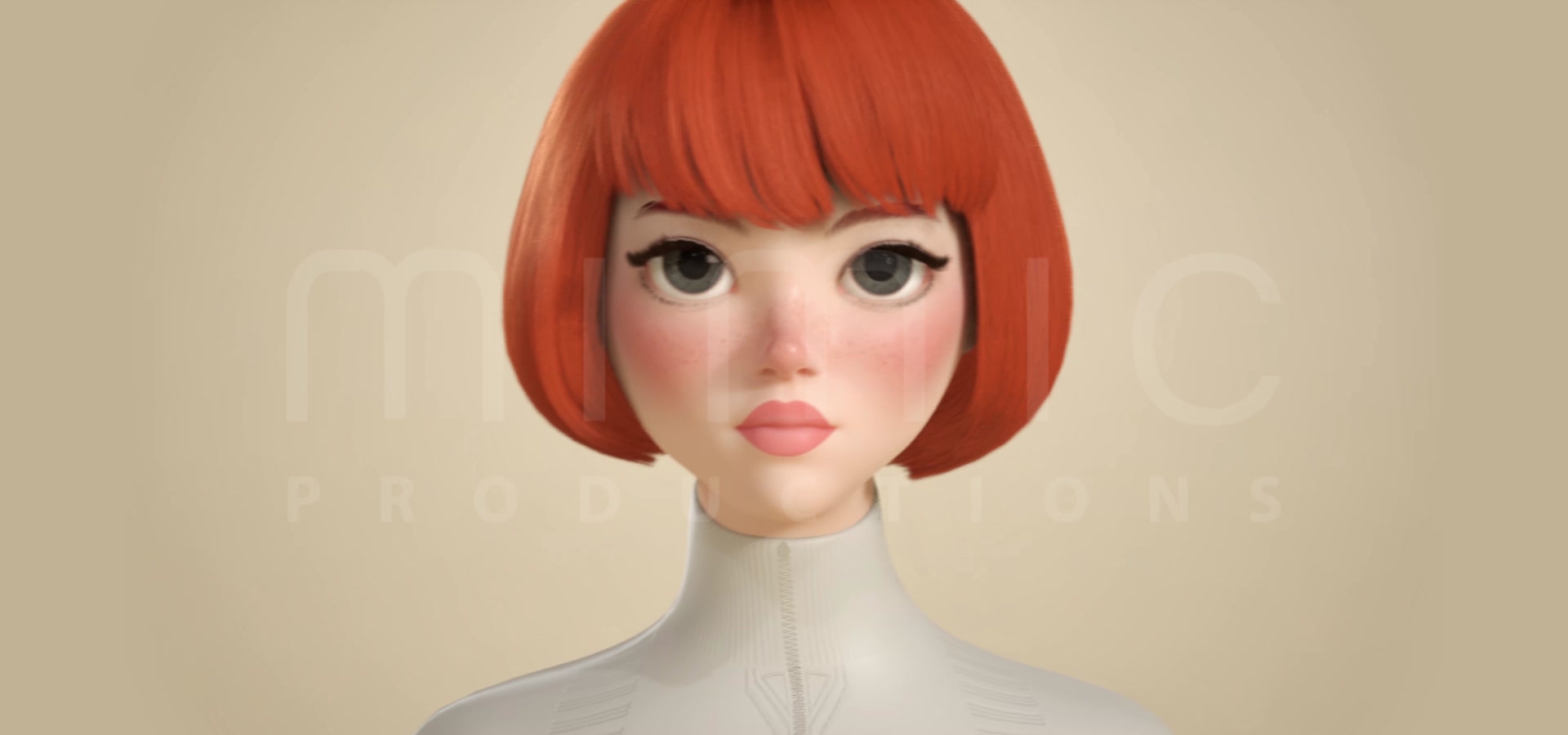
Through the Mimicverse platform, Mimic Cartoon builds 3D characters powered by conversational AI, capable of real-time fan interaction long after the video has dropped.
This is not prototype technology. Artists are using it commercially right now to build interactive presences that a passive music video cannot create.
Live Q&A hosting: the character responds to fan questions in real time on social platforms
Interactive ads: users direct the character's next move inside the ad unit
Streaming milestone responses: personalised fan messages triggered by play counts
24/7 social presence: ongoing persona maintained without the artist's physical involvement
Music Video Animation vs Live-Action: Making the Right Choice
Live-action wins when the concept requires the authentic physical presence of the artist, documentary-style realism, or natural environmental textures that renders have not yet matched.
3D animation wins decisively when the concept exceeds what physical production can achieve. The history of cartoon animation shows how animated characters outlast their creators precisely because they are not bound by physical reality.
Visual transformations or impossible environments: no location budget can match what 3D renders
Multi-year visual identity: the character stays consistent as the artist changes physically
Tour season independence: the animated character performs while the artist is on the road
Hybrid productions: artist appears live alongside the animated character in the same frame
Budget improvement over time: second and third productions use the same character at a fraction of the first-build cost
Hybrid productions combining live performance with 3D animation are increasingly common. A single character asset serves the hybrid video and all standalone animated content produced afterwards.
Frequently Asked Questions
1. How long does music video animation take to produce?
Eight to sixteen weeks for a full music video with a custom 3D character, from concept approval through final delivery. Timeline depends on video length, character complexity, number of scenes, and whether motion capture is involved. Projects with existing characters or simpler environments can move faster.
2. What visual style works best for music video animation?
The best style depends on artist brand, musical genre, and target audience. Pop and hip-hop artists often choose stylised characters for immediate visual impact. R&B and prestige pop tend toward realistic characters with dramatic presence. Experimental music benefits from creature or abstract designs.
3. Can the same character be used across multiple music videos?
Yes - and this is one of the strongest arguments for 3D over live-action. A well-built character appears across multiple videos, lyric videos, social content, merchandise, and live show screens without rebuilding from scratch. Cost per piece drops significantly after the first video.
4. How does motion capture improve music video animation performance?
Motion capture records real human performance and applies it directly to the character rig. For music videos - where dancing, emoting, and reacting to rhythm are central - it delivers the natural weight, off-beats, and spontaneity that manual keyframe animation takes significantly longer to achieve.
5. What files and deliverables do I receive?
Typically: the rendered video in broadcast-ready and social-ready formats, the 3D character asset for future use, and additional formats for lyric videos, live screens, or social animations. All specifications are confirmed before production begins.
6. Is music video animation only for major label artists?
No. 3D animation is now accessible at independent artist budgets, particularly for stylised productions. The strongest argument for independent artists is the reusable asset - one character build powers an entire album campaign without the recurring cost of live-action shoots.
7. Can a 3D animated character be integrated into a live-action shoot?
Yes. Hybrid productions combining live-action with 3D animated characters are common. The character is composited into the live-action environment in post-production using VFX pipeline techniques.
8. How do I start a music video animation project?
Share your creative brief - the track, a rough concept, visual references, and ideas about the character or world. Visit our contact page to start the conversation.
Start Your Music Video Animation Project
Whether you are an independent artist, a label, or a creative director - Mimic Cartoon handles the full pipeline from concept through delivery. Every visual style, every genre, every platform. Visit our music video animation and character design services page to see what we build and start your project today.


Comments