
What Does a 3D Animation Studio Do? 2026 Guide

What does a 3D animation studio actually do for a brand, film, game or interactive experience?
A 3D animation studio transforms an idea into a designed, built and animated digital world. Its work may begin with a rough brief and end with a polished film, a production-ready character, a game asset, an interactive avatar or a reusable library of branded content.
This guide answers the practical questions buyers ask before commissioning a studio: what happens at each stage, which specialists are involved, how technology changes the workflow, how schedules are built and what to check before signing a proposal. For a quick view of Mimic Cartoon’s connected capabilities, explore its 3D cartoon animation services and character technology.
Table of Contents
What Does a 3D Animation Studio Do?

A 3D animation studio combines storytelling, design and technical production. It does far more than make objects move. The team interprets the goal of a project, defines a visual language, builds digital assets that can perform reliably and then creates the shots or interactive behaviours that audiences finally experience.
For a character project, the studio may handle concept art, turnarounds, sculpting, production topology, UV mapping, textures, materials, body and facial rigging, animation, lighting, rendering and compositing. For an architectural, product or abstract project, the same pipeline changes shape, but the principle remains: every asset is designed for its final camera, platform and audience.
A professional studio also manages the invisible work that protects the result: naming conventions, version control, colour management, review files, technical tests and delivery documentation. If the main commission is a character, this 3D character modeling services guide explains why a beautiful model must also be engineered for production.
The most valuable output is therefore not merely a video file. It is a controlled process that turns creative ambition into dependable assets, approved performances and deliverables that work where the client needs them.
How Does a 3D Animation Project Move From Brief to Screen?

The strongest projects begin with discovery. The studio asks who the audience is, what action the content should inspire, where it will appear, how long it must last, which assets already exist and which technical constraints cannot change. A clear brief prevents expensive assumptions later.
Pre-production turns that brief into a plan. Depending on the project, this can include a treatment, script, mood board, concept sketches, character sheets, storyboard and animatic. These materials answer the cheapest version of difficult questions before detailed 3D work begins: Is the idea clear? Does the silhouette read? Is the pacing right? Which shots deserve the most detail?
Production then builds and tests the assets. Character modeling is followed by textures and look development; rigging creates usable controls; layout places cameras and establishes timing; animation produces performance; lighting and rendering create final imagery; compositing integrates layers and finishes the shot. The detailed 10-step cartoon character creation guide shows how these approvals connect.
Finally, the studio completes quality control and delivery. The team checks frames, sound sync, colour, compression, naming and platform specifications. For real-time work, it may test frame rate, materials, skeleton compatibility and interactions inside the target engine. Good delivery is designed at the beginning, not improvised at the end.
Which Specialists Work Inside a 3D Animation Studio?

A studio is a network of focused crafts. A creative director protects the big idea. Producers translate it into scope, schedule, reviews and responsibilities. Concept artists establish shape language and visual references. Modelers and texture artists create the digital surfaces. Riggers build the systems that allow those assets to bend, pose, speak and emote.
Animators create performance through keyframes, motion capture or a blend of both. Layout artists establish cameras and staging. Lighting artists direct attention and mood. Technical artists solve pipeline and real-time problems. Render and compositing specialists turn the scene into finished frames, while sound designers and editors may complete the final experience.
Creative direction and production management
Concept art, character design and story development
3D modeling, topology, UVs, texturing and look development
Body rigging, facial systems and deformation testing
Keyframe animation, motion capture cleanup and performance refinement
Lighting, rendering, compositing, editing and delivery
Real-time optimization, engine integration and technical quality assurance
Not every project needs every role full-time. The advantage of a studio is that specialists can enter at the right stage while a shared production lead maintains continuity. For a deeper view of the performance layer, read how cartoon character rigging turns models into performers.
What Can a 3D Animation Studio Create for Brands?

Brands often approach a 3D animation studio for a single campaign, but a well-planned asset can support a much wider content system. An animated mascot may appear in a launch film, short social clips, product explainers, website interactions, event screens and training content. The initial build becomes more valuable each time the same character returns.
Entertainment teams commission characters, environments and performances for music videos, children’s shows, films and episodic content. Product and service companies use 3D animation to explain processes that are difficult to film. Game and app teams need optimized characters, rigs and animation sets. Experience designers may need avatars for VR, XR, installations or conversational interfaces.
The intended destination determines the build. A cinematic close-up prioritizes facial detail, hair, lighting and render quality. A mobile game prioritizes efficient geometry and materials. A printable figure needs watertight geometry rather than an animation rig. An interactive character needs real-time performance and platform integration. Mimic Cartoon’s work on interactive 3D characters for apps and games illustrates this destination-first approach.
The best question is not simply, “Can the studio create this image?” It is, “Can the studio create an asset system that supports today’s result and tomorrow’s reuse?” That shift helps buyers evaluate long-term value instead of only the first deliverable.
How Do Motion Capture, Scanning and AI Fit the Pipeline?
Technology accelerates or expands specific stages, but it does not remove creative judgment. Motion capture records body or facial performance and transfers data to a rig. It can preserve natural timing and subtle human behaviour, particularly for dialogue, dance and complex physical action. Animators still clean contacts, refine arcs, adjust exaggeration and make the performance belong to the character.
3D scanning and photogrammetry capture physical form, proportion and surface detail. They are especially useful when a project needs a digital likeness, a realistic base or accurate reference. The captured data still requires processing, topology decisions, textures, rigging and adaptation for its destination. Mimic Cartoon combines these capabilities in its motion capture and 3D scanning workflow.
AI can support concept exploration, conversational behaviour, automation and interactive character systems. In production, it should be evaluated by control, consistency, rights, data handling and integration—not novelty alone. A brand character must remain recognizable across poses, shots and future content, so supervised art direction and a stable asset pipeline remain essential.
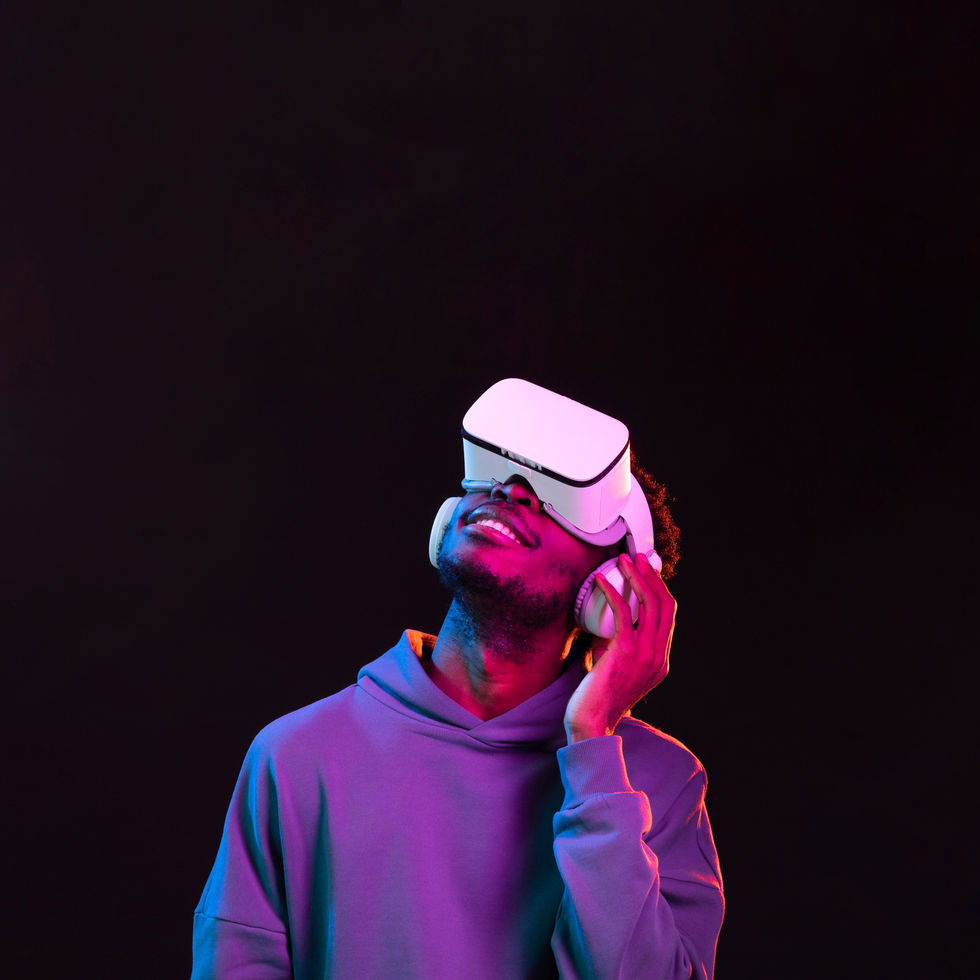
Real-time engines connect these technologies to live experiences. A performance-driven avatar can react during an event, an app character can respond to users and a VR guide can inhabit an immersive environment. These applications demand careful optimization, testing and fallback behaviour in addition to visual quality.
How Long Does Professional 3D Animation Take?

A focused character asset or short animated sequence may take several weeks; a complex campaign, music video or episodic package can take several months. Schedule depends on concept readiness, number of characters and environments, visual complexity, duration, performance needs, rendering method, review rounds and the number of delivery formats.
The timeline usually contains gates: brief approval, concept approval, model approval, look approval, rig testing, animation review, lighting review and final delivery. Each gate protects downstream work. Changing costume proportions after rigging, or rewriting action after animation, creates more disruption than revising a sketch or animatic.
Budget and time are connected because both follow scope. Teams planning a custom character can use the 2026 3D character modeling cost guide to understand how detail, rigging, variants, platform requirements and compressed deadlines affect estimates.
Provide a written objective, audience and final platform.
Name decision-makers and combine feedback into each review round.
Approve style and silhouette before detailed modeling.
Lock scripts and timing before final animation whenever possible.
List required aspect ratios, resolutions, file formats and source assets early.
Separate essential launch deliverables from later variants and extensions.
A credible studio will explain assumptions and dependencies rather than promise a universal turnaround. A realistic schedule includes client review time, technical testing and contingency for discoveries that cannot be seen in a mood board.
How Should You Choose a 3D Animation Studio?

Start with relevant evidence. A portfolio should show work close to your intended style, medium and level of performance. For a speaking hero character, still images are not enough; look for facial acting, lip sync, deformation and consistent appearance across shots. For a real-time project, ask about frame rate, engine delivery and testing.
Compare proposals against the same written scope. Confirm whether concept design, modeling, textures, rigging, animation, motion capture, rendering, sound, compositing, revisions and source files are included. Clarify ownership, usage rights, third-party assets, software versions and the procedure for approving scope changes.
Communication is part of production quality. Ask who leads the project, how often reviews occur, which files you receive at each milestone and how decisions are documented. This guide to choosing a 3D animation company provides a detailed evaluation checklist.
Finally, look for a studio whose pipeline matches the destination. Mimic Cartoon combines character craftsmanship, animation, motion capture, scanning, VFX and platform integration in Berlin, drawing on the wider experience described on its About Mimic Cartoon page. The right fit is a team that can explain both the creative promise and the technical path to delivery.
Frequently Asked Questions
What does a 3D animation studio do?
A 3D animation studio turns ideas into moving digital content through concept design, modeling, texturing, rigging, animation, lighting, rendering and delivery. Some studios also provide motion capture, 3D scanning, VFX and real-time integration.
What is the difference between a 3D animation studio and a 3D modeling studio?
A modeling studio may deliver static geometry and textures. A full 3D animation studio can also prepare rigs, animate performances, light scenes, render shots, composite footage and deliver finished moving content or production-ready real-time assets.
How much does a 3D animation studio cost?
Cost depends on duration, character complexity, realism, number of shots, animation method, revisions, rendering and delivery formats. A reliable estimate requires a clear brief and a deliverables list rather than a price-per-minute figure alone.
How long does a 3D animation project take?
A focused asset or short sequence may take several weeks, while a character-led campaign or series can take months. Concept approvals, asset count, rig complexity, performance, rendering and feedback speed usually shape the schedule.
Can a 3D animation studio create characters for games and apps?
Yes. The studio should build efficient topology, real-time materials, suitable rigs, animation clips and tested exports for the target engine or platform. Requirements should be agreed before modeling begins.
Does motion capture replace animators?
No. Motion capture records human performance, but animators still plan the performance, clean data, refine timing, correct contacts, adjust exaggeration and ensure the result suits the character and story.
What files should a 3D animation studio deliver?
Deliverables may include final video masters, image sequences, source scenes, character models, rigs, textures, animation clips and exports such as FBX, USD or engine packages. The exact list should be written into the scope.
Can one 3D character be reused across different campaigns?
Yes, when reuse is planned at the start. A durable model, rig, organized textures and documented source files can support videos, social content, games, websites, live events and interactive experiences.
Why hire a professional 3D animation studio instead of freelancers separately?
A coordinated studio connects creative direction, asset construction, animation, rendering and technical delivery under one pipeline. That reduces handoff risk and gives the client one accountable production partner.
Where is Mimic Cartoon based?
Mimic Cartoon is based in Berlin, Germany, and works on expressive 3D characters, animation, motion capture, scanning and platform integration for international creative and commercial projects.
Conclusion
A 3D animation studio turns a creative brief into a controlled sequence of decisions, assets, performances and deliverables. Its value comes from connecting specialists and technology around one goal: content that looks compelling, works reliably and can create value beyond a single shot.
Ready to discuss a character, animation or interactive experience? Start a conversation with Mimic Cartoon about your audience, platform, schedule and production goals.


Comments