What is educational animation for kids?
Educational animation for kids uses animated characters, actions and explanations to help children understand a specific idea or practise a skill. A useful production starts with a clear learning goal, chooses language and pacing for its audience, and checks whether children understand the intended lesson. Colourful characters can support that work, but animation alone does not guarantee learning.
A cartoon can show a seed changing over time, make a mathematical pattern visible or give a character room to make a mistake and try again. The creative challenge is to connect the story to the lesson so that remembering the adventure also helps a child remember the idea.
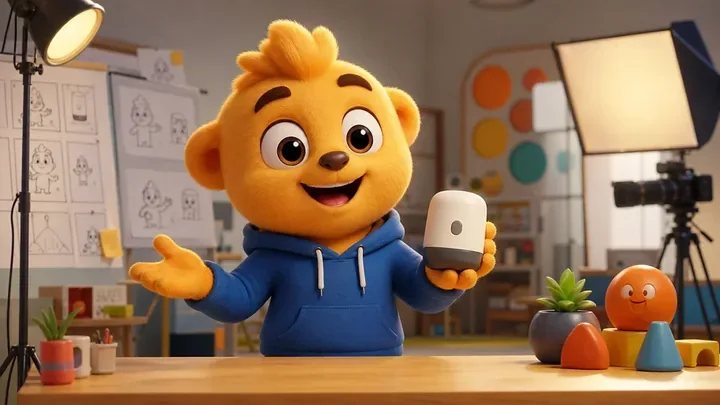
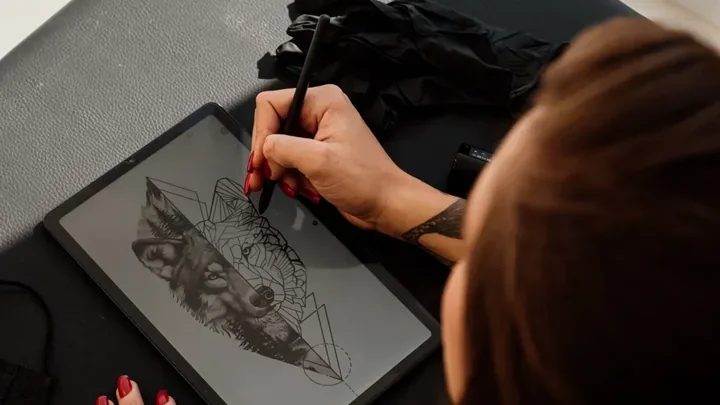
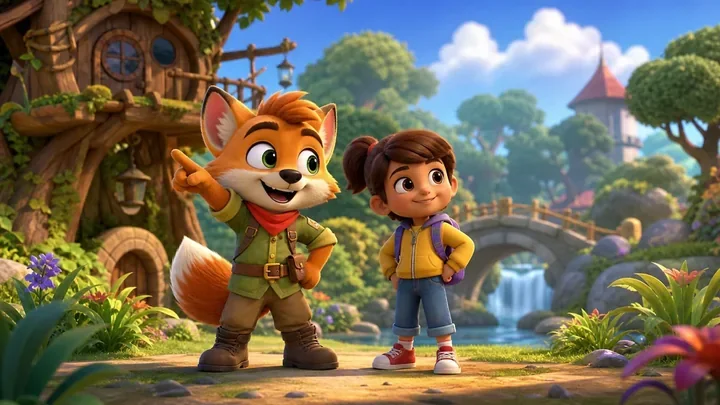
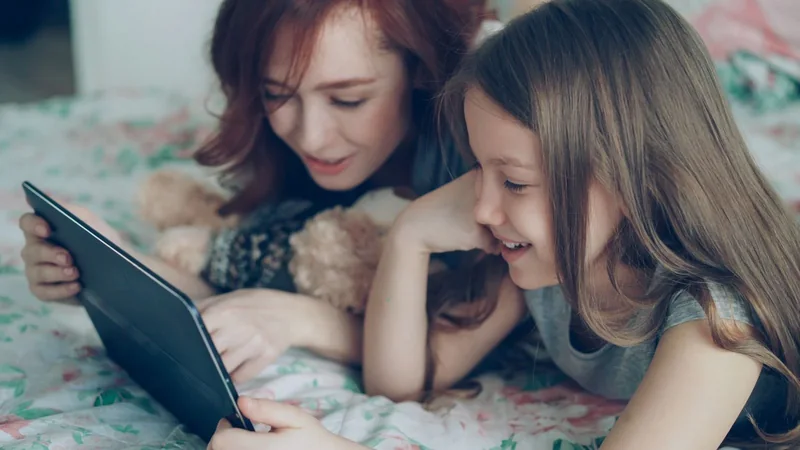
This guide is for education publishers, children's content producers, museums, charities and brands commissioning animated learning videos. It explains how to move from a teaching objective to a production brief, with an original shadow-story example and practical review questions. The photographs illustrate learning and production contexts; they are not Mimic Cartoon project credits.
Start with one clear learning goal
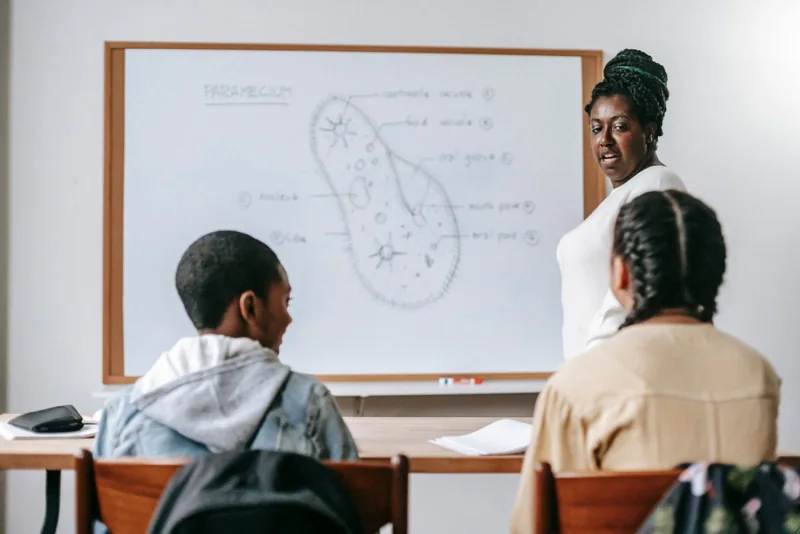
Begin with what a child should be able to explain, recognise or do after watching. “Teach science” is a subject area. “Explain that an opaque object can block light and create a shadow” is a workable objective for a short episode. It gives the writer, educator and animator the same target.
Write the objective in plain language and decide what evidence would show understanding. For a counting story, children might count a new collection rather than repeat numbers from the soundtrack. For a feelings story, they might suggest an appropriate response in a different situation. This helps separate remembering the characters from understanding the lesson.
PBS's children's content standards connect educational goals to character development, settings and storylines, and call for education advisors. That is a useful commissioning reference, not a claim that a new production meets PBS standards. Give your own education reviewer a defined role before script approval.
Agree three things at the start: the intended learning outcome, the misconception to avoid, and the simple question or activity that follows the video. Put these into your animation production brief alongside the audience, distribution platform and delivery requirements.
Design for the audience and viewing context
“For children” is not a sufficiently precise audience description. State the intended age range, language familiarity, likely reading ability and prior knowledge. Also describe where the video will be used: with a teacher, alongside a caregiver, inside a learning app or as a standalone episode.
A teacher-led lesson can include a deliberate pause for discussion. A video watched independently needs clearer instructions about what the viewer is being asked to notice. A small phone screen requires a different check from a classroom display: the important object and its action must remain visible at both sizes.
Treat age bands as planning inputs, not rigid rules about every child. Ask an educator familiar with the intended audience to review vocabulary, emotional tone and the number of ideas introduced at once. Explain new terms through visible action and context instead of packing the narration with definitions.
Keep the environment interesting without making every object compete for attention. If the lesson concerns a particular block, leaf or shadow, give that object visual priority. This is a production choice to test with viewers, not a reason to assume that faster cuts or brighter colours will improve learning.
Turn the lesson into a character-led story
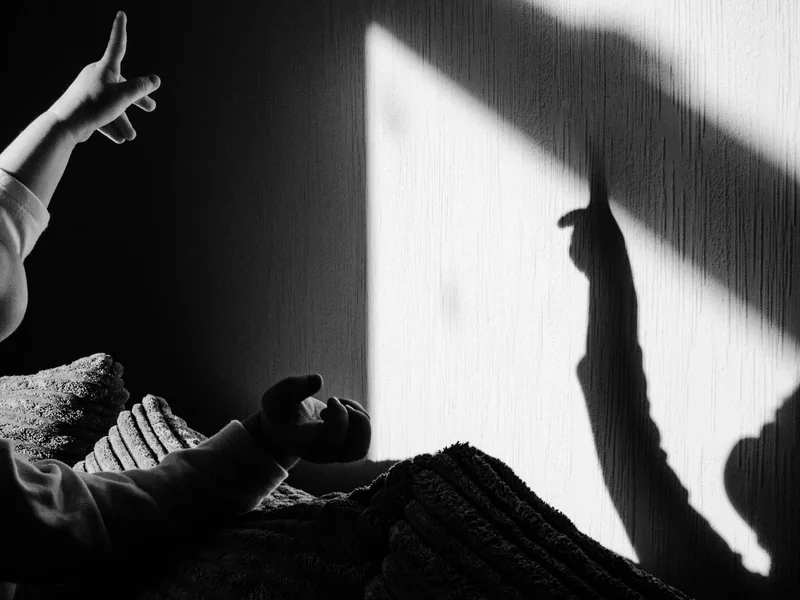
Consider an original example: a young badger is preparing a shadow-puppet performance. Its puppet disappears when it moves away from the lamp, and a friend helps investigate. This is a hypothetical story for explaining the process, not a commissioned project or a description of an existing film.
The episode could use five simple beats. First, establish the badger's goal. Next, show the unexpected result. Let the characters predict what might help, test one change, then explain what happened. End with the badger using the idea successfully in its performance rather than announcing an unrelated moral.
The central concept is that an opaque object blocks light and produces a shadow. NASA's light-and-shadow activities provide a primary educational reference for that explanation. A subject reviewer should check the lamp, puppet and surface relationships in the boards and finished animation.
Keep the story's fantasy distinct from its explanation. The badger can speak and perform, but the light should not bend around the puppet merely to rescue the scene. If the image and narration contradict each other, the child has two competing explanations. Make the lesson visible in the action that solves the character's problem.
Choose characters and an animation style that clarify the lesson
A curious character gives the viewer someone to investigate with. A confident character can make a believable mistake. A helpful companion can ask a question without delivering a lecture. Give each a useful story role instead of adding a large cast simply because the designs are appealing.
Distinct silhouettes, readable expressions and consistent proportions help the audience follow the action. Our guide to characters for children's shows explores asset and performance planning. For this article's educational focus, the extra question is whether the design supports the specific concept being taught.
2D animation can simplify an image and emphasise selected shapes or actions. 3D animation can support spatial relationships, recurring sets and reusable character performances. Hybrid animation can combine dimensional staging with drawn effects or explanations. None is automatically the best teaching format; choose against the script and intended use.
Compare the practical trade-offs in our 2D and 3D animation guide and hybrid animation explanation. Before committing to a full episode, approve a short representative shot that includes the character, learning object and explanation.
Plan the script, voice and sound together

Write narration that works with the picture. When the action already shows a character moving an object, the voice can explain the important relationship rather than describing every movement. Avoid asking the child to process a new term, a joke and a key visual change at exactly the same moment.
Read the script aloud before estimating runtime. Include time for reactions, questions and visual demonstrations. Word count alone cannot tell you how long a scene needs: a pause that lets a child make a prediction has a different purpose from silence caused by an unfinished edit.
Create a pronunciation list and agree how the characters speak before recording final dialogue. Music and effects should leave the explanation easy to hear. When speech drives the performance, plan the recording and lip-sync animation together so late wording changes do not force avoidable rework.
Plan captions and a transcript early. Describe essential visual information in the narration where appropriate, and avoid making colour the only clue to an answer. For multiple languages, allow for different sentence lengths and have translated scripts reviewed for meaning and audience suitability before animating dependent mouth movements.
Use review gates from storyboard to final delivery
A clear educational animation workflow makes it possible to correct an explanation while changes are still manageable. The following stages are a practical commissioning structure; the exact responsibilities and approvals should be agreed with the production team.
- Learning brief: approve the audience, objective, source material and reviewer. Identify any curriculum requirements and the intended follow-up activity.
- Script: check the story logic, facts, vocabulary and invitation to participate. Resolve contradictory explanations before visual production.
- Storyboard: show the learning action clearly, including cause and effect. Check that framing and character reactions support the message.
- Animatic: combine boards with temporary sound to review timing. Test whether the viewer has enough time to notice, predict and understand.
- Animation and sound: produce approved performances and scenes, then review factual consistency, narration clarity and continuity.
- Delivery: check exports, captions, language versions, credits and playback on the intended platforms. Archive agreed source assets and approvals.
The distinction between a board and a timed edit matters; our storyboard and animatic guide explains their different jobs. For a wider production view, see the 3D animation pipeline.
Nominate one person to consolidate feedback from educators, producers and brand stakeholders. Separate a factual correction from a creative preference and record who signs off each. A series also needs a shared vocabulary list, character rules and a record of which ideas earlier episodes have already introduced.
Check understanding, not only watch time

Completion rate can show that a video held attention, but it does not establish that children understood the lesson. Ask the intended audience to explain the idea in their own words, predict a new example or complete a suitable follow-up task. Watch for the misconception the brief was meant to address.
A small formative review can reveal unclear instructions or distracting details. Work with appropriate educators and caregivers to arrange it responsibly, and avoid presenting a few informal reactions as proof of educational effectiveness. A formal impact claim requires a suitable evaluation design and evidence.
Educational content can also extend beyond the video. TED-Ed describes its lessons as animations paired with questions and resources, developed through collaboration among educators and creative specialists. A discussion prompt, practical activity or teacher note can give your own episode a useful next step without crowding the animation.
For the shadow story, the follow-up might ask which arrangement would put a shadow on a wall and why. The aim is to apply the idea to a fresh situation. Revise scenes where viewers remember the joke but cannot explain the relationship between the light, object and surface.
What affects the budget and what should you send a studio?
Educational video production costs depend on the work, not just the final duration. Original characters, complex environments, the number of animated shots, specialist review, voice casting, language versions, accessibility deliverables and revision rounds can all change the scope.
A recurring cast may create reuse opportunities across a series, but it also needs upfront planning and asset maintenance. Ask what can be reused, what must be created for each episode, and which files or usage rights are included. Our animation cost guide explains why a rate per minute needs context.
Send a studio the learning objective, audience, rough runtime, number of episodes, distribution plans and target date. Add reference material with notes about what you like, existing assets, required languages and your review process. Identify who supplies and approves the educational content, rather than assuming that role is included in animation production.
Ask for a scope with named deliverables and approval milestones. Compare proposals on those responsibilities as well as the visual treatment. For the character and performance side of a project, explore Mimic Cartoon's character animation services; the educational review requirements should be agreed as part of the brief.
Frequently asked questions
What makes an animation educational?
It has an intentional learning objective and uses its story, visuals and explanation to support that objective. A useful review checks what the audience understood, not just whether the video was entertaining.
Is 2D or 3D better for educational animation for kids?
Neither is universally better. 2D can simplify an explanation; 3D can clarify space and movement. Choose the style that makes the specific concept readable and fits the audience, budget and production plan.
How long should an educational cartoon be?
There is no single ideal runtime. Plan around one learning goal, the audience and the viewing context. Use an animatic to check whether the story, explanation and participation pauses fit without rushing.
Do we need an educator or subject expert?
Assign a qualified reviewer for the subject and intended audience. They can check factual accuracy, vocabulary and learning goals at the script, storyboard and review stages. Agree this responsibility explicitly in the production scope.
Can one educational cartoon work for every age group?
A single version may serve a defined range, but it should not assume identical knowledge or reading ability. Wider audiences may need different narration, pacing, questions or supporting materials. Test the version with its intended viewers.
Can educational animation be translated into other languages?
Yes, when localization is planned into the production. Budget for translation review, recording, captions, on-screen text and any lip-sync changes. Check that the examples and phrasing remain meaningful for the local audience.
How do we know whether children learned from the video?
Use a question or task tied to the learning objective, ideally requiring application to a new example. Viewing figures and completion rates alone do not demonstrate learning. Strong effectiveness claims need appropriate evaluation evidence.
What should an educational animation brief include?
Include the audience, learning goal, source material, runtime, episode count, style references, platforms, languages, deadline and budget range. Name the educational reviewer and specify expected deliverables and approval stages.
Conclusion: let the lesson shape the story
Strong educational animation gives the story and the learning objective the same direction. Choose a clear idea, build a character situation that makes it visible, and review the explanation before investing in finished animation. Then check understanding and give the viewer a useful way to apply the idea.
Bring your educational story to life
Planning a cartoon learning video or series? Share your audience, learning objective, visual references and delivery needs with Mimic Cartoon. We can discuss the character animation scope and the production responsibilities your project requires.
Discuss your animation projectImage credits
Vitaly Gariev — Pexels License. Educational context photograph; no endorsement implied.
Katerina Holmes — Pexels License. Educational context photograph; no endorsement implied.
Luiza Braun — Unsplash License. Educational context photograph; no endorsement implied.
Lisa Fotios — Pexels License. Educational context photograph; no endorsement implied.
Ben Khatry — Pexels License. Educational context photograph; no endorsement implied.
Kampus Production — Pexels License. Educational context photograph; no endorsement implied.