
3D Cartoon Character Creation: How Brands Turn Ideas Into Animated Digital Characters
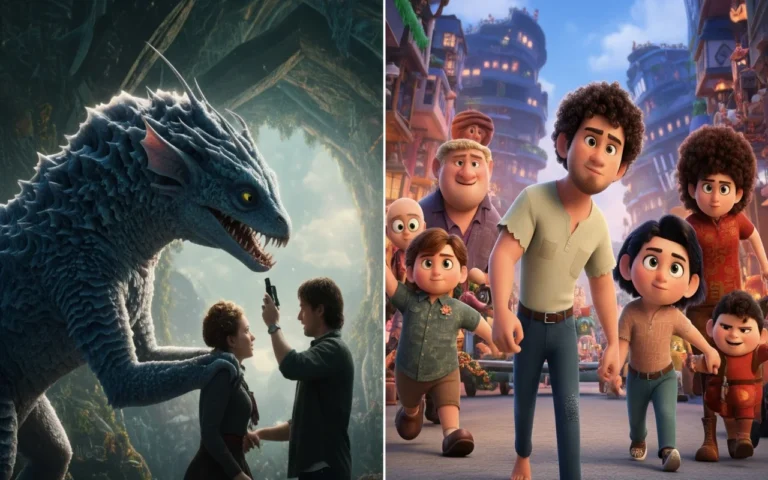
How does a simple idea become a reusable 3D cartoon character for videos, websites, games, and AI experiences?
A 3D cartoon character is more than a visual asset. For brands, creators, educators, game studios, and AI products, it can become a mascot, presenter, guide, performer, or interactive digital personality that carries a message across many different platforms.
The strongest characters are designed with a clear purpose before the first model is built. At Mimic Cartoon, character creation connects design, animation, motion capture, 3D scanning, platform integration, and conversational AI into one practical production pipeline.
Table of Contents
What Is 3D Cartoon Character Creation?
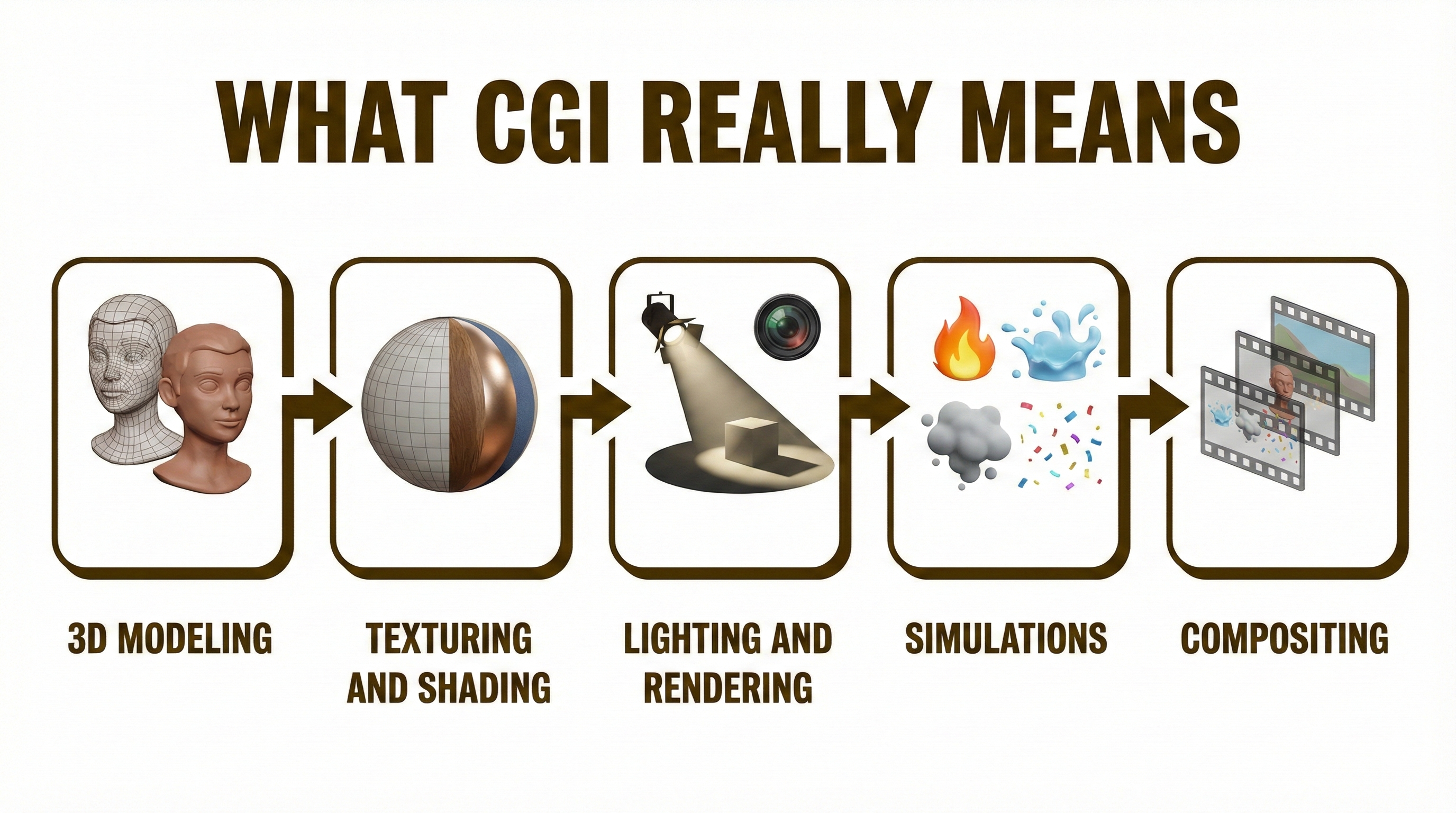
3D cartoon character creation is the process of designing, modeling, rigging, animating, and preparing a stylized digital character for real production use. The final character may appear in a brand film, educational explainer, music video, website experience, social campaign, game, or AI-powered conversation.
Unlike a flat illustration, a 3D character can be viewed from different angles, posed in different scenes, animated with facial expressions, and reused across many formats. That makes it useful for brands that want a recognizable personality instead of one-time campaign artwork.
If you are comparing visual formats, Mimic Cartoon's guide to 2D vs 3D animation is a useful companion piece because it explains how style, cost, production workflow, and final use cases affect the right choice.
Why Brands Use 3D Cartoon Characters
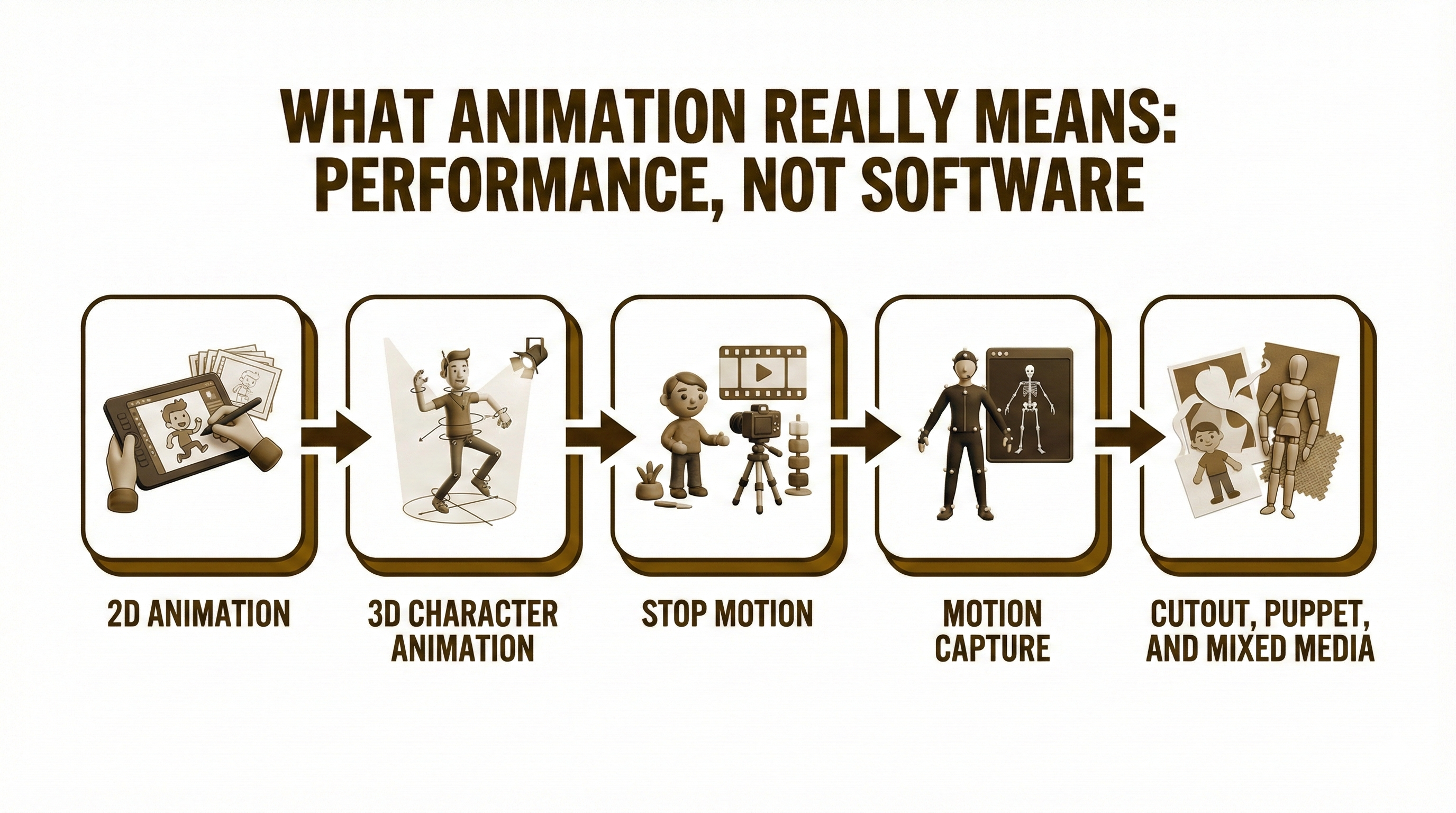
A 3D cartoon character gives a brand a face. People remember personalities faster than abstract messages, and a character can make a service easier to understand, a product easier to recognize, and a campaign easier to repeat across channels.
Brand mascots can explain products, host tutorials, and make campaigns more memorable.
Educational characters can make lessons, onboarding, and training feel more approachable.
Interactive avatars can guide users through apps, websites, games, and AI products.
For AI products, a 3D character can become the visual identity of a conversational assistant. Instead of talking to a static interface, users interact with an expressive avatar that can listen, react, and respond. This connects directly with Mimic Cartoon's work in conversational AI characters.
The Character Creation Pipeline
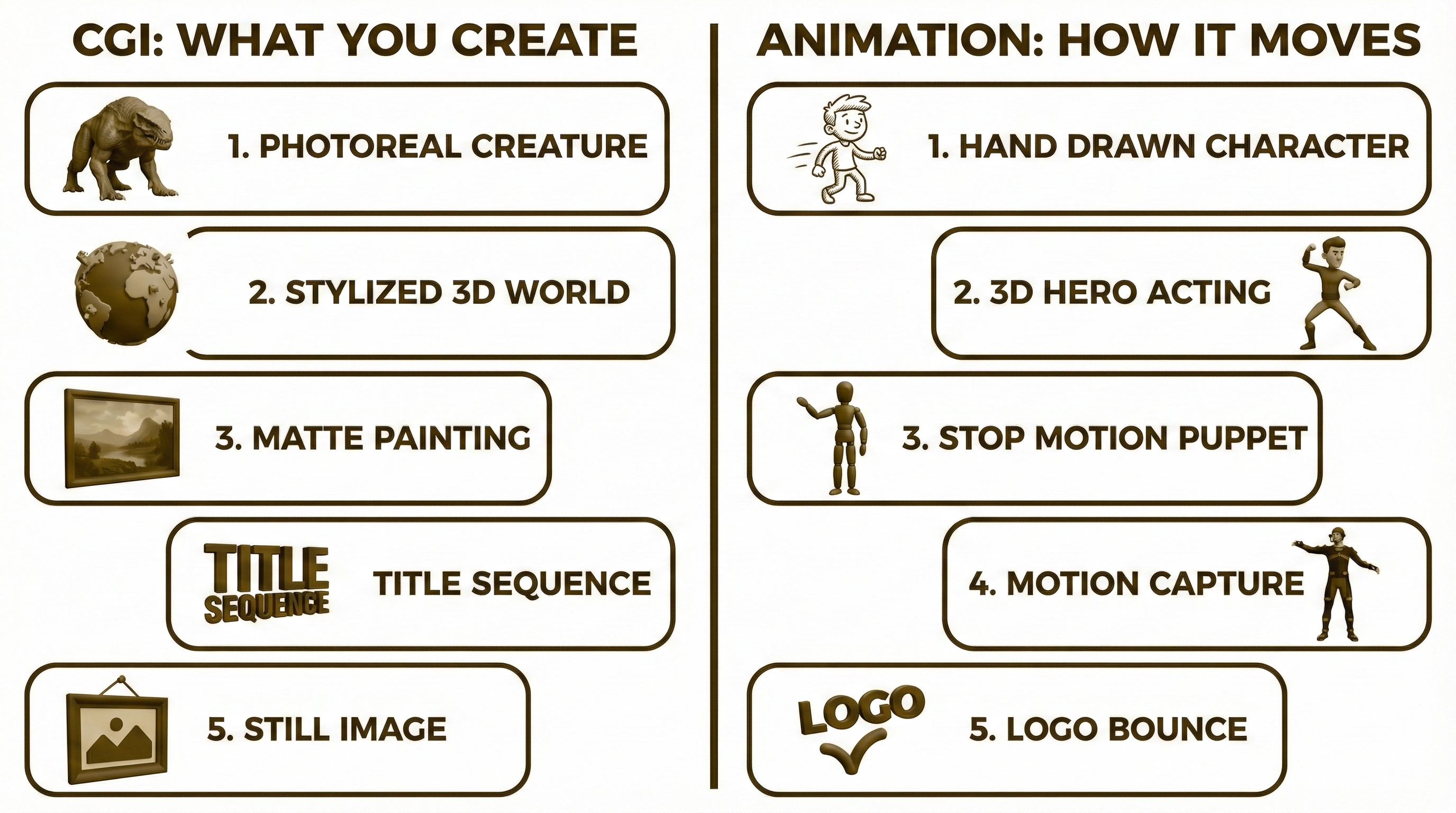
The pipeline begins with creative strategy. Before modeling starts, the team defines who the character is, what it should communicate, and where it will be used. Is the character a mascot, presenter, companion, game hero, influencer, or virtual assistant? Should it feel funny, premium, futuristic, educational, or friendly?
After strategy comes concept art. Artists explore silhouettes, proportions, costumes, colors, expressions, and pose language. This is where the character becomes visually distinct. A clear silhouette helps the character remain recognizable even when it appears small on a mobile screen.
Then comes modeling, texturing, materials, rigging, and animation. Rigging gives the character a skeleton and controls, while animation turns that technical asset into a performer. Mimic Cartoon's technology page gives more context on the tools and production methods behind this stage.
Choosing the Right Cartoon Style
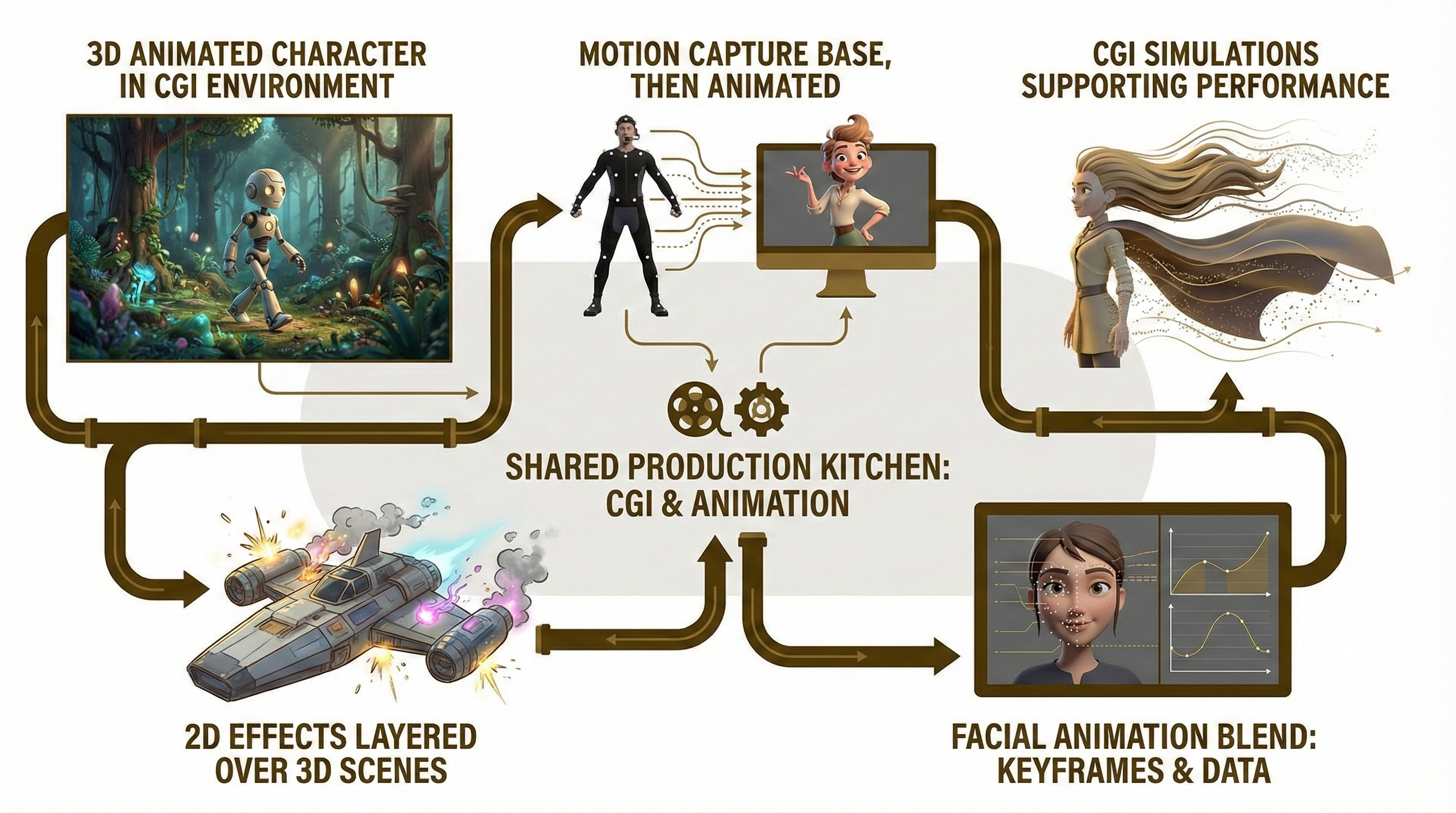
Style is not decoration. It affects how people understand the character. A simple rounded figure can feel friendly and accessible, while a highly detailed model can feel cinematic or premium. A mascot with exaggerated proportions may work better for social media because it reads quickly on smaller screens.
The right choice depends on the audience. Children's content often benefits from bright shapes and clear expressions. Corporate training may need a polished look that feels professional without becoming cold. Games and interactive experiences may need stronger silhouettes and performance-friendly rigs.
For broader visual reference, read Mimic Cartoon's article on types of cartoon styles. For historical context, the guide to the history of cartoon animation helps show how visual storytelling has evolved over time.
Motion Capture and 3D Scanning
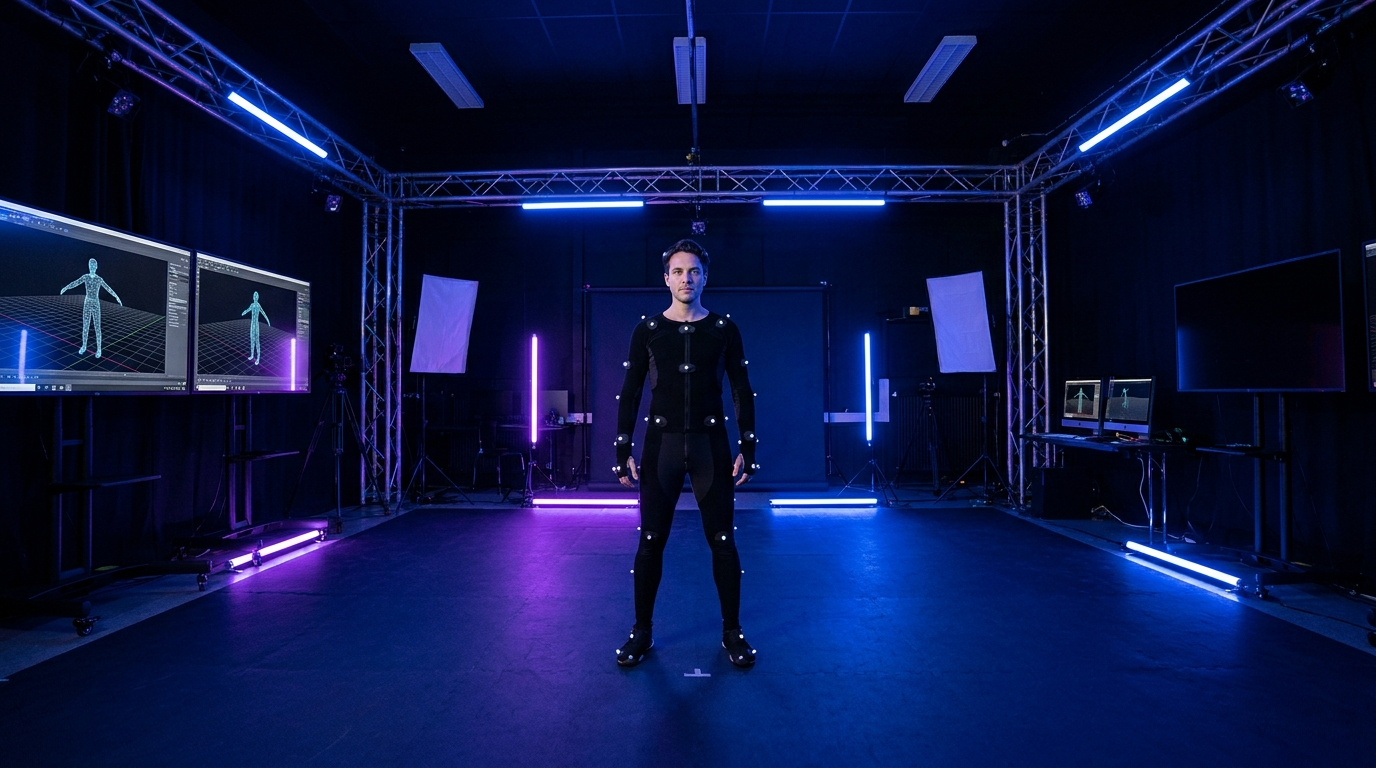
A character becomes memorable when it moves with intention. Facial expressions, posture, timing, gesture, and small reactions are what make a digital personality feel alive. Motion capture can help when a character needs natural body movement, dance, presentation, performance, or real human rhythm.
For cartoon characters, motion capture is usually refined by animators. Raw human movement can be too realistic, so artists adjust timing, exaggeration, and poses to keep the character expressive and readable. The result feels alive while still belonging to a stylized world.
Mimic Cartoon's article on motion capture in animation is a strong supporting resource for readers who want a deeper look at performance capture.
Where 3D Characters Can Be Used
A well-built 3D cartoon character is not limited to one video. It can become a reusable asset across websites, mobile apps, games, learning platforms, social media campaigns, live experiences, virtual production, and AI tools.
Websites: character guides, product explainers, onboarding helpers, and interactive assistants.
Videos: animated campaigns, music videos, brand films, explainers, and social shorts.
Games and virtual spaces: playable characters, NPCs, avatars, and immersive story worlds.
AI interfaces: expressive visual identities for conversational tools and assistants.
In games and virtual spaces, the character can become playable, interactive, or part of a wider digital world. That connects naturally with Mimicverse, where character creation can extend into immersive environments and connected digital experiences.
Common Mistakes to Avoid
The first mistake is designing only for still images. A character can look attractive in one render but fail when it needs to move, speak, react, or appear in different scenes. Animation-ready design should be considered from the beginning.
The second mistake is ignoring the brand voice. A character should support the brand, not distract from it. Colors, facial expression, movement style, humor, and tone should all feel connected to the company's identity.
The third mistake is skipping production planning. A character article or launch campaign can connect to topics like storyboards vs animatics, CGI vs animation, and the studio's 3D cartoon animation services to strengthen internal topical authority.
FAQs
What is a 3D cartoon character?
A 3D cartoon character is a stylized digital character built in three dimensions. It can be posed, animated, rendered, or integrated into videos, websites, games, apps, and AI interfaces.
How long does 3D cartoon character creation take?
Timelines depend on complexity. A simple mascot may take less time than a fully rigged character with facial expressions, motion capture, multiple outfits, and real-time platform optimization.
Can one character be used in videos and apps?
Yes. A character for both video and interactive use needs the right model structure, rig, textures, optimization settings, and export formats. Planning those needs early helps avoid rebuilding the asset later.
Is motion capture required for character animation?
No. Characters can be animated by hand, with motion capture, or through a hybrid workflow. Motion capture is most useful when natural body performance, dance, or real-time character movement is important.
Can a 3D character work with conversational AI?
Yes. A 3D character can become the visual identity of a conversational AI system when combined with voice, expressions, response logic, and interactive design.
What should a brand prepare before starting a 3D character project?
A brand should prepare its audience, use case, tone, visual references, preferred style, target platforms, and any existing brand colors or story details. Clear direction helps the character become useful faster.
What is the difference between a 3D model and an animated character?
A 3D model is built to be seen. An animated character is built to perform. Animation-ready characters need clean topology, rigging, facial controls, and export settings for the final platform.
Can a 3D cartoon character become a brand mascot?
Yes. A custom character can become a brand mascot when it has a recognizable design, consistent personality, clear use cases, and enough flexibility to appear across campaigns and platforms.
Conclusion
3D cartoon character creation is a strategic process, not just a visual task. The strongest characters are designed for personality, movement, reuse, and long-term brand value.
If you want a custom 3D cartoon character for a brand film, music video, website, game, AI avatar, or immersive experience, Mimic Cartoon can help with concept design, character modeling, rigging, motion capture, animation, and platform-ready delivery.
Need this service for your project? Explore Mimic Cartoon's 3D cartoon animation services or contact the studio to discuss character creation, animation, motion capture, and conversational AI character production.


Comments