
Character Development in Animation and How Memorable Personalities Are Created
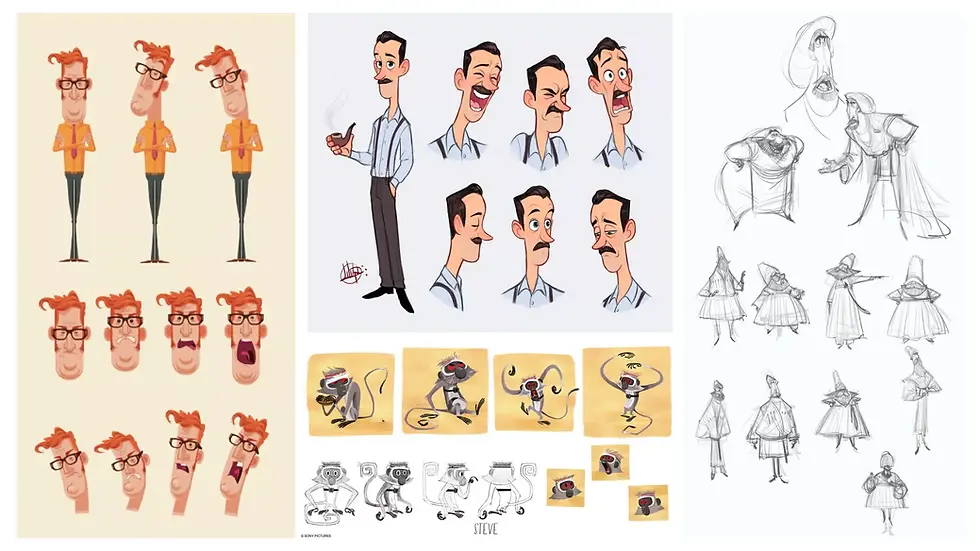
A memorable animated character is not just a nice drawing with a catchy outfit. They are a tiny universe with a heartbeat. The moment they step on screen, you should feel something: curiosity, delight, worry, laughter, or that strange feeling of, “Oh no… that’s totally me.”
This is where character development in animation becomes pure magic. It is the craft of shaping personality through choices: how a character reacts, what they want, what they fear, how they move, and how they change when the story gently (or loudly) pokes them.
At Mimic Cartoon, we think of character development like building a puppet with invisible strings made of emotion. When the story pulls those strings, the character must respond in a way that feels truthful, even if they are a talking cloud, a heroic sandwich, or a grumpy robot with a soft side.
Table of Contents
What Character Development Really Means in Animation

Character development is not only about giving your hero a backstory and a favorite snack. It is about building a consistent inner logic.
Short intro idea: If we understand what a character believes, then their actions become predictable in the best way, and surprising in the most satisfying way.
A character has a want: something they chase
A character has a need: something they must learn
A character has a flaw: the thing that trips them up
A character has a voice: how they express their inner world
A character has pressure: the story squeezing them until they reveal who they are
When these parts click together, character development in animation stops feeling like a checklist and starts feeling like a living personality that can carry a series, a film, or even a ten second short.
The Building Blocks of a Memorable Personality
Short intro paragraph: Great animated personalities are built from contrasts. The brave character who is scared of tiny things. The villain who is polite. The genius who is messy. That friction makes them feel real.
A clear point of viewWhat do they think about the world
A recognizable rhythmFast talker, slow thinker, dramatic pauser, chaotic blur
Emotional triggersWhat instantly makes them happy, angry, embarrassed, defensive
A personal codeEven troublemakers have rules they refuse to break
A secret softnessOne tender detail that makes the audience lean in
When we build characters, we also choose the kind of cartoon language they live in. A character designed for a squashy comedic world will behave differently than one built for a cinematic fantasy universe. If you want a quick tour of those visual languages, explore types of cartoon styles and notice how style influences personality from the first frame.
Visual Design Choices That Reveal Character
Short intro paragraph: Character design is storytelling that happens before a character even speaks. Shape, color, silhouette, and detail level quietly whisper who they are.
Shape languageRound shapes often feel friendly or softSharp shapes can feel dangerous, strict, or intense
ProportionsBig eyes invite empathyLong limbs can feel elegant, awkward, or spooky depending on how they move
Costume logicClothes should support the character’s life and habits, not just look cool
Props with historyA worn backpack, a cracked helmet, a shiny trophy that is carried everywhere
Design also depends on the animation approach. Some personalities shine in hand drawn timing, while others benefit from dimensional acting and camera movement. If you are deciding how to bring a character to screen, this guide on the difference between 2D and 3D animation helps you understand how each medium supports different types of performance.
Movement, Acting, and Performance as Storytelling
Short intro paragraph: In animation, movement is not movement. It is thought made visible. The way a character stands, turns, hesitates, or rushes forward tells the audience what is happening inside them.
Idle acting mattersWhat does your character do when nothing is happening
Weight and timing show emotionHeavy steps can show sadness or exhaustionQuick jittery motion can show excitement or anxiety
Poses should read like sentencesA strong pose is a clear statement
Micro reactions build believabilityA blink, a swallow, a tiny recoil, a slow smile
Modern pipelines often use performance capture to ground movement in real human nuance, then push it into cartoon expressiveness. If you want to see how that works, this breakdown of what motion capture means in animation and how it brings characters to life is a helpful peek behind the curtain.
Voice, Silence, and the Sound of Personality
Short intro paragraph: Voice is not only about the sound. It is about choices: word selection, pacing, confidence, hesitation, and how much a character reveals.
Vocabulary shows backgroundA character who uses big words might be showing off or genuinely curious
Silence is a toolSome characters think firstOthers speak to avoid thinking
Catchphrases should mean somethingA repeated line lands best when it evolves with the character
Non verbal sounds matterSighs, laughs, tiny groans, hums, and weird little gremlin noises
And now, characters are starting to “talk back” in interactive spaces. When characters need to respond like living personalities in apps or experiences, that is where conversational character design becomes important. If you are exploring that world, conversational AI is part of the larger ecosystem of how animated personalities can exist beyond a single scripted scene.
Character Arcs That Stick With Audiences
Short intro paragraph: A memorable character is not just someone we like. It is someone we watch change. Even tiny changes count, as long as they are earned.
The arc should challenge the flawIf the flaw is pride, the story should force humility
Growth should cost somethingLearning is messy, and the audience can smell fake growth
The character should make choicesThings happening to them is not the same as them shaping the story
Keep one core trait steadyThe character evolves, but they do not become a different person overnight
In strong character development in animation, the best arcs feel like emotional cause and effect. Not a speech at the end. Not a sudden switch. More like a trail of small choices leading to a new self.
Ensemble Chemistry and Relationships

Short intro paragraph: Some characters become legendary because of who they bounce off. Relationships reveal hidden sides faster than monologues ever will.
Foils create contrastThe brave one and the cautious oneThe neat one and the chaos one
Conflict reveals valuesWhat do they argue about repeatedly
Support reveals softnessWho do they protectWho do they trust
Group dynamics create identityA character’s role in a team shapes how audiences remember them
A strong cast feels like a set of magnets: characters pull, repel, and snap together in satisfying ways.
Comparison Table
Character Element | What It Controls | How It Shows Up On Screen | Common Mistake | Best Fix |
Want | The chase | Goals, decisions, urgency | A goal that is too vague | Give a concrete objective |
Need | The lesson | Growth, emotional change | Preaching instead of showing | Make the need collide with the flaw |
Flaw | The friction | Bad choices, blind spots | Flaw is mentioned but never matters | Put the flaw in the plot |
Design | First impression | Silhouette, shapes, costume | Overdesigned details | Simplify and strengthen readability |
Acting | The soul | Timing, poses, reactions | Same expression every scene | Build a reaction library |
Relationships | The mirror | Banter, conflict, loyalty | Everyone agrees too easily | Add values that clash |
Applications Across Industries

Short intro paragraph: Animated personalities are not limited to cartoons on screens. When a character feels real, they can teach, guide, entertain, and represent a brand or story world across many spaces.
Kids’ educational series with lovable learning companions
Entertainment franchises with spin offs, shorts, and games
Marketing mascots that need consistent personality across campaigns
Training and explainers where characters make complex topics friendly
Mobile apps and web experiences with interactive guides
Museum exhibits and themed attractions with narrative hosts
If you are building a character for any of these, it helps to work with a production pipeline that supports both design and performance. You can explore how that comes together through Mimic Cartoon services as a practical map from concept to animated delivery.
Benefits

Short intro paragraph: When character development is done well, the character becomes a memory, not just content.
Stronger audience attachment and repeat viewing
Clearer storytelling through action, not explanation
Better merchandising and brand recall because the character has identity
More flexible storytelling because the character can carry multiple plots
Emotional resonance that works across languages and cultures
Challenges

Short intro paragraph: Building an iconic personality takes patience, iteration, and a willingness to throw away “pretty” ideas that do not serve the character.
Keeping personality consistent across episodes, teams, or seasons
Avoiding stereotypes and making characters feel fresh
Balancing style with performance readability
Managing production constraints without flattening acting
Integrating effects without distracting from the character
In many modern projects, effects and compositing sit close to character animation, and teams sometimes blur the boundaries. If you want clarity on where one ends and the other begins, read the difference between VFX and animation and use it to keep your pipeline decisions clean.
Future Outlook
Short intro paragraph: The future of character development is not just about new tools. It is about new places for characters to live, and new ways for audiences to connect with them.
Performance driven pipelines will get more expressiveBetter facial capture, better stylized acting, more emotional nuance
Characters will move across platforms more naturallyShows, games, social shorts, interactive experiences
Real time production will speed up iterationCreators can test acting choices faster and refine personality in motion
Interactive characters will feel more responsiveNot replacing writers, but expanding how characters can “exist” beyond linear scenes
The heart remains the same: a character becomes unforgettable when their choices reveal who they are.
FAQs
1) What is character development in animation?
It is the process of building a believable personality and emotional arc for an animated character, shown through design, acting, relationships, and change over the story.
2) Why do some animated characters feel instantly iconic?
They have a clear silhouette, a strong point of view, recognizable behavior patterns, and emotions that read quickly through movement and timing.
3) Is character design the same as character development?
No. Design is what we see first. Development is how the character thinks, reacts, and evolves. The best characters align both.
4) How do animators show personality without dialogue?
Through posing, timing, weight, micro reactions, and consistent behavioral habits like fidgeting, posture, or how they enter a room.
5) Does 2D or 3D make character acting better?
Neither is automatically better. Each supports different strengths. The best choice depends on style goals, production needs, and how the character must perform.
6) How does motion capture help character development?
It can add grounded nuance to movement and facial acting, then animators stylize it to match the character’s cartoon world and emotional tone.
7) What is the biggest mistake in character writing for animation?
Giving characters traits without consequences. If a flaw never affects the plot, it feels fake. Make traits create problems and choices.
8) How do you keep a character consistent across a whole series?
Build a character bible: core traits, triggers, key poses, voice rules, relationship dynamics, and do not break the internal logic even when jokes get big.
Conclusion
Memorable animated characters are not born from one clever sketch or a funny line. They are shaped through intention. A clear want. A meaningful flaw. A design that speaks. Acting that shows thought. Relationships that reveal hidden layers. And an arc that changes them in a way the audience can feel in their own chest.
That is the real joy of character development in animation: building personalities that live longer than the episode, longer than the trend, sometimes longer than we do. When a character is crafted with care, they stop being “a character” and start being a companion the audience carries around in their imagination.



Comments